


Testimonials




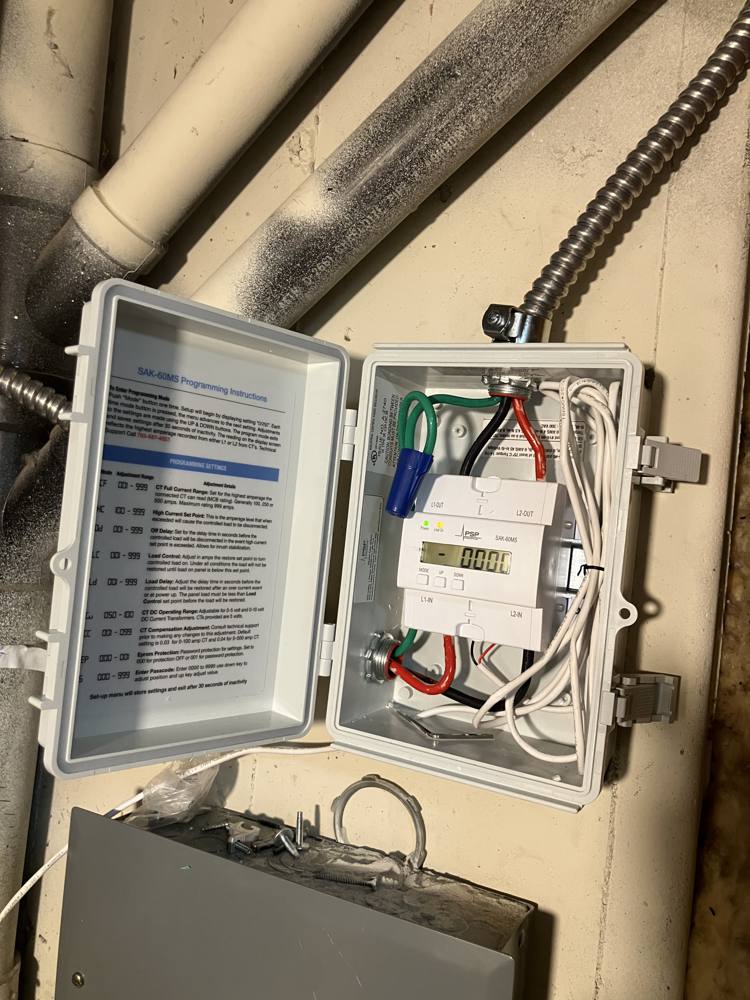
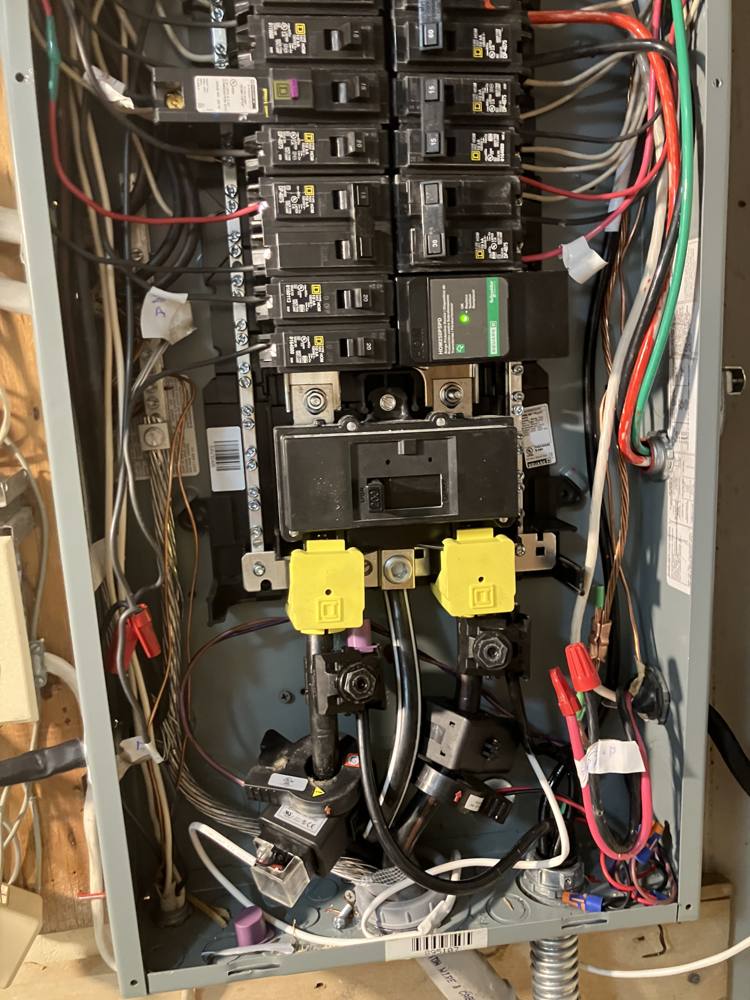
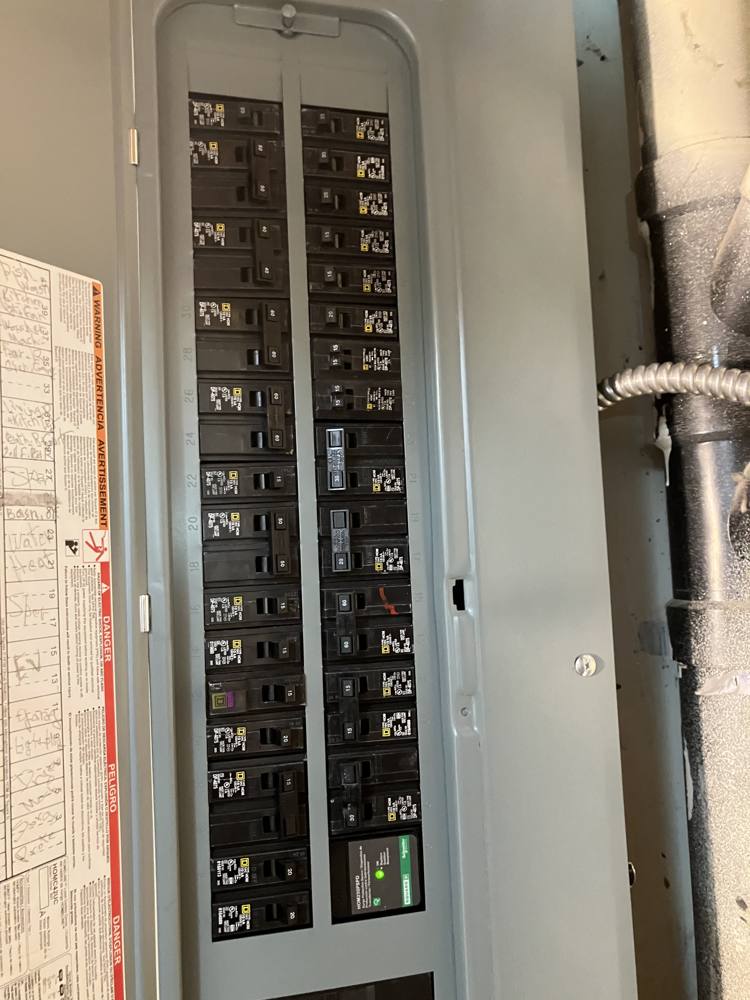
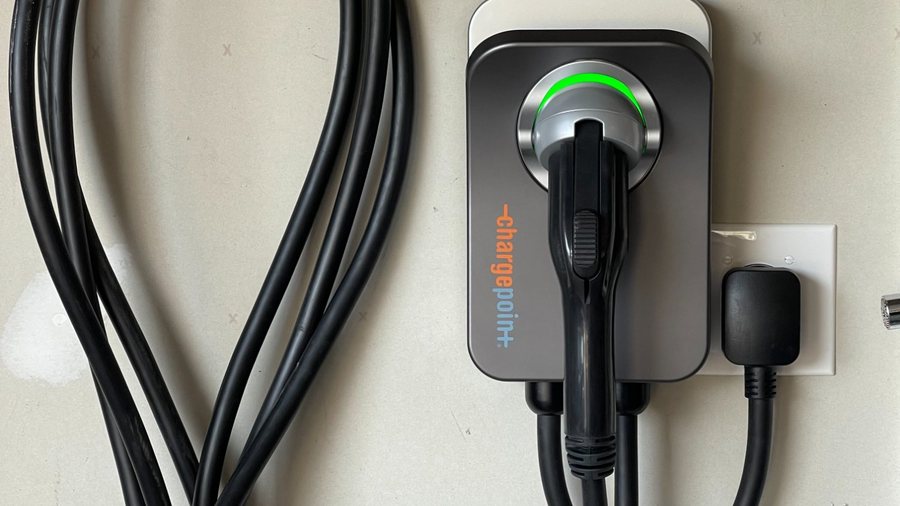
Every EV charger needs its own dedicated circuit. Learn about our dedicated circuit installation service covers proper circuit sizing, permits, and inspection for EV chargers, hot tubs, and major appliances.
Local EV charger installation guides: Reston, Manassas, and Ashburn.
Charging an EV at home may require an electrical panel upgrade.
Serving Northern Virginia
SparkWise Electric provides licensed residential and commercial electrical service across Northern Virginia, including:
Still deciding which unit to buy? We install both of the most common ones and wrote up the differences in Tesla Wall Connector vs ChargePoint Home Flex — connector choice, why charging speed rarely decides it, and what your panel will actually support.
Which EV Charger Should You Buy? What We Have Learned Installing Sixteen of Them
Most EV charger pages compare units the way the manufacturers do — by kilowatts and app features. Installing them is a different view. The question that decides your experience is not which charger is fastest; it is which one your panel, your car and your garage can actually use.
Everything below comes from units we have installed across Northern Virginia and Maryland — Ashburn, Aldie, Centreville, Fredericksburg, Manassas, Alexandria, Fairfax, Falls Church, Springfield, Herndon, McLean, Leesburg, Gainesville, Dumfries, Haymarket, Bethesda — checked against each manufacturer's installation manual. We install these brands; we are not affiliated with any of them, and we will put in whichever one you bought.
Sixteen Chargers, Side by Side
Prices are approximate retail as of September 2026 for the unit only, before installation, and they move — check the retailer before you buy. Everything else is from the manufacturer's own installation manual.
| Charger | Max output | Breaker | Hardwired or plug-in | Connector | Cable | Smart / load management | Safety & build | Unit price* |
|---|---|---|---|---|---|---|---|---|
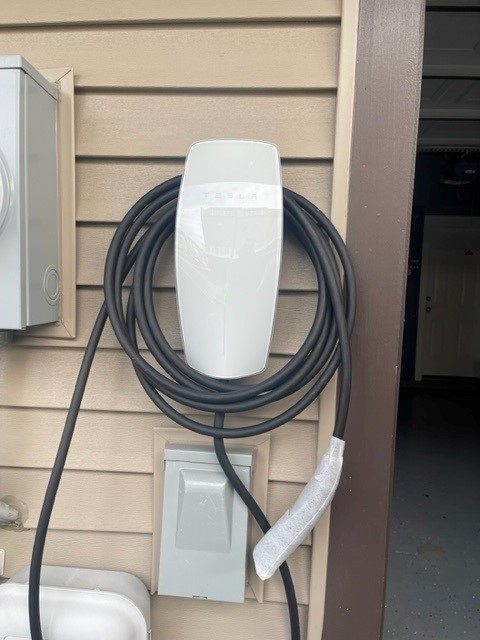
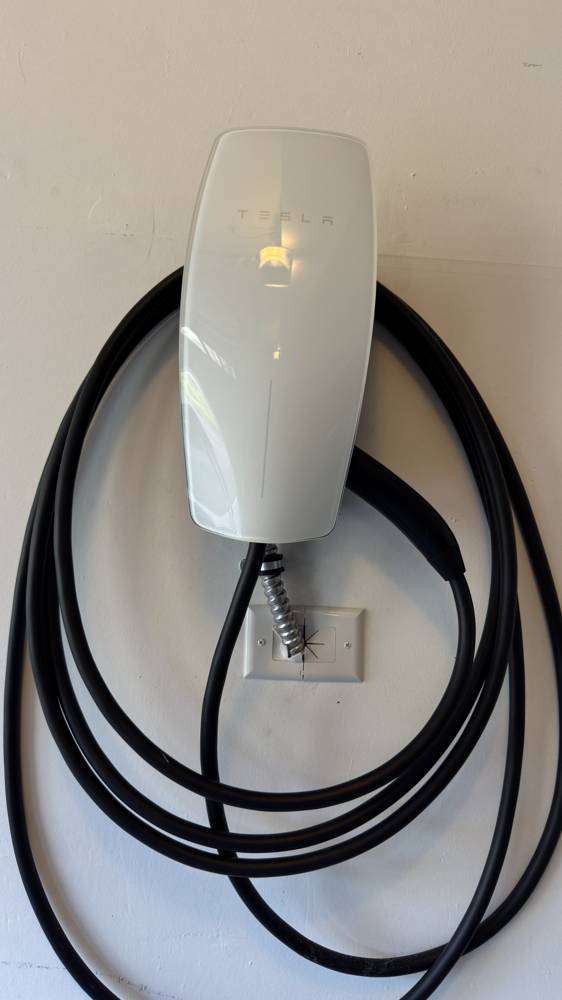
| Tesla Wall Connector (Gen 3) | 48A / 11.5 kW configurable 12–48A | 60A (15–60A) | Hardwired only | NACS | 24 ft | Power Sharing across up to 6 units; Wi-Fi | Built-in CCID20 — no GFCI breaker | ~$475 |
| Tesla Universal Wall Connector | 48A / 11.5 kW | 60A (15–60A) | Hardwired only | NACS and J1772 (built-in adapter) | 24 ft | Power Management incl. Powerwall; daisy-chain | Built-in — no GFCI breaker | ~$595–650 |
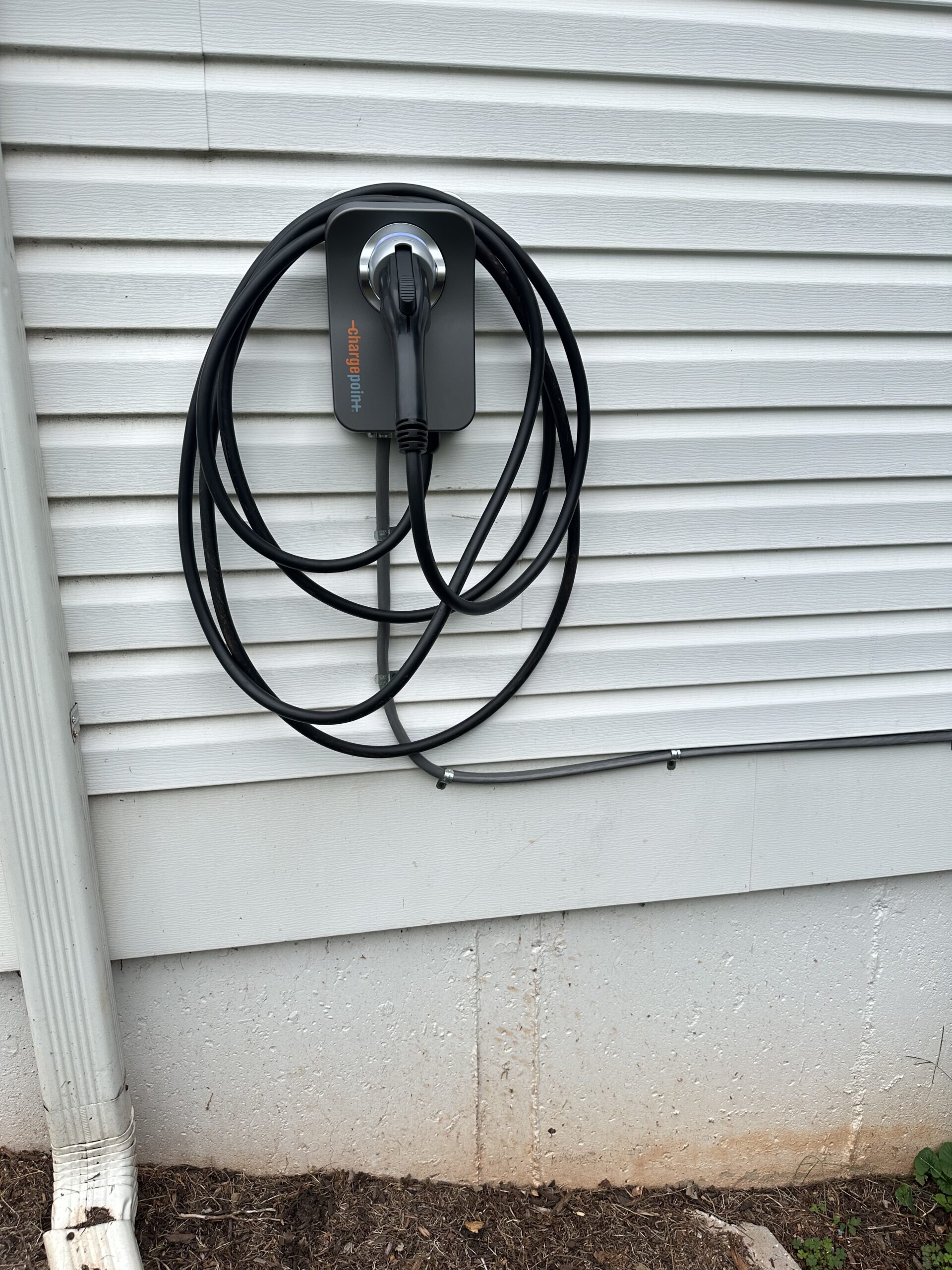
| ChargePoint Home Flex | 50A / 12 kW 16–50A in app | 60A hardwired; 40/50A plug | Either — NEMA 14-50 or 6-50 plug | J1772 or NACS | 23 ft | App scheduling, utility-rate integration | CCID; plug-in needs GFCI breaker | ~$495–600 |
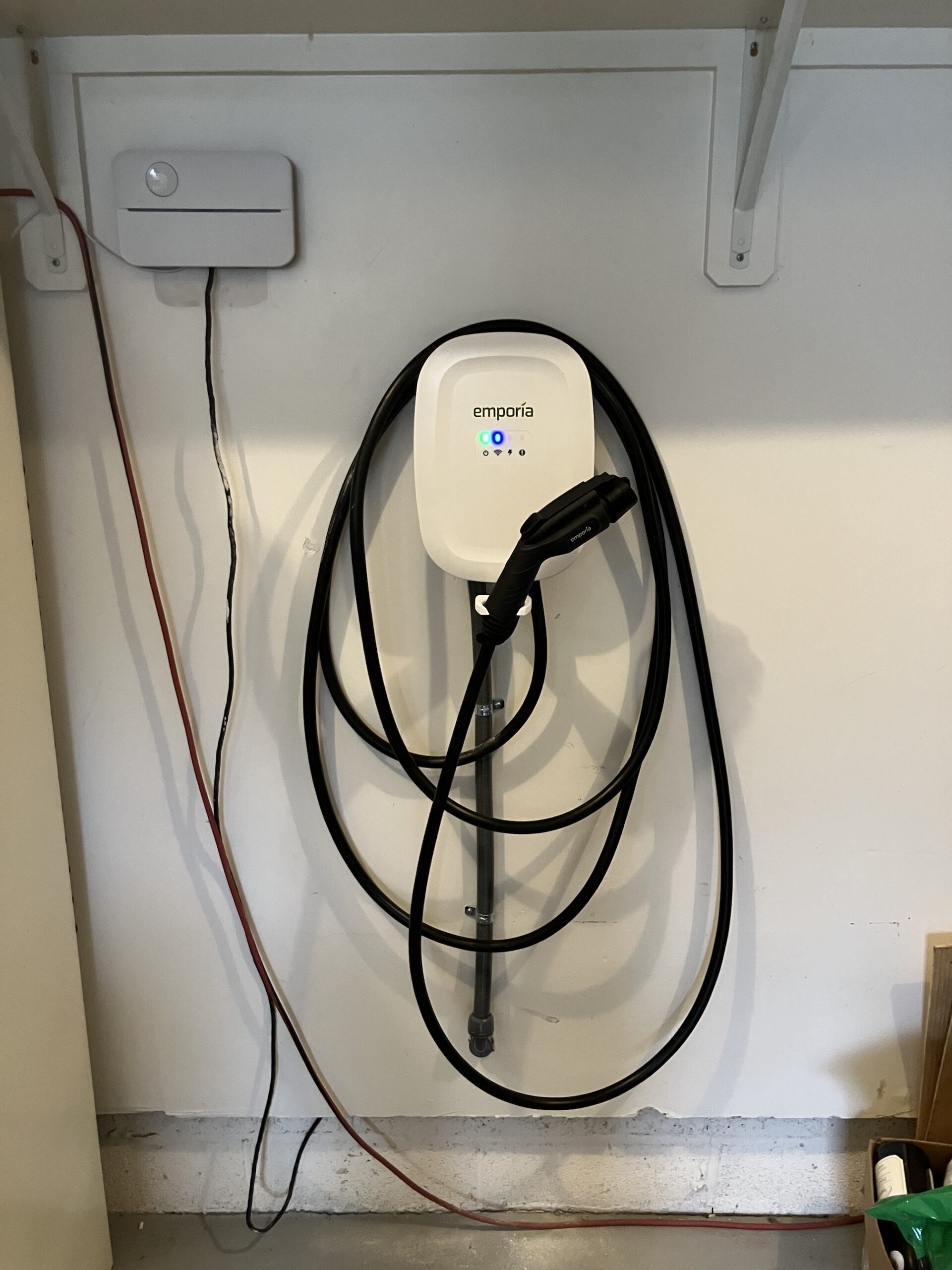
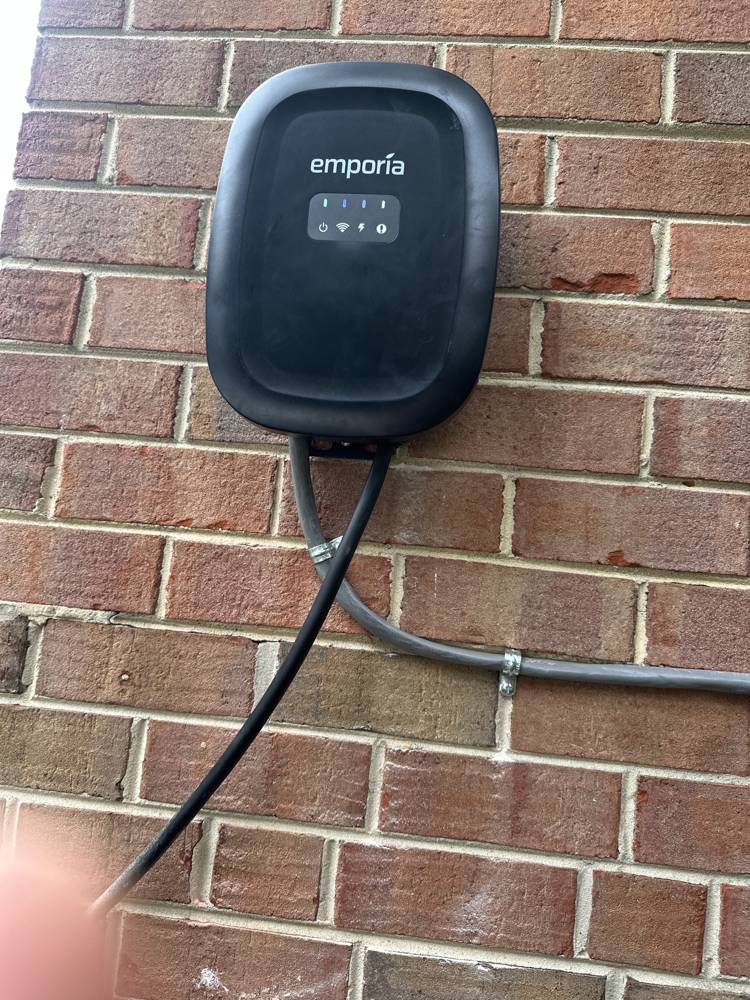
| Emporia Classic | 48A / 11.5 kW hardwired 40A plug-in | 60A hardwired; 50A plug | Either | J1772 or NACS | 24 ft | App; pairs with Emporia Vue energy monitor | Requires industrial-grade receptacle if plug-in | ~$430–450 |
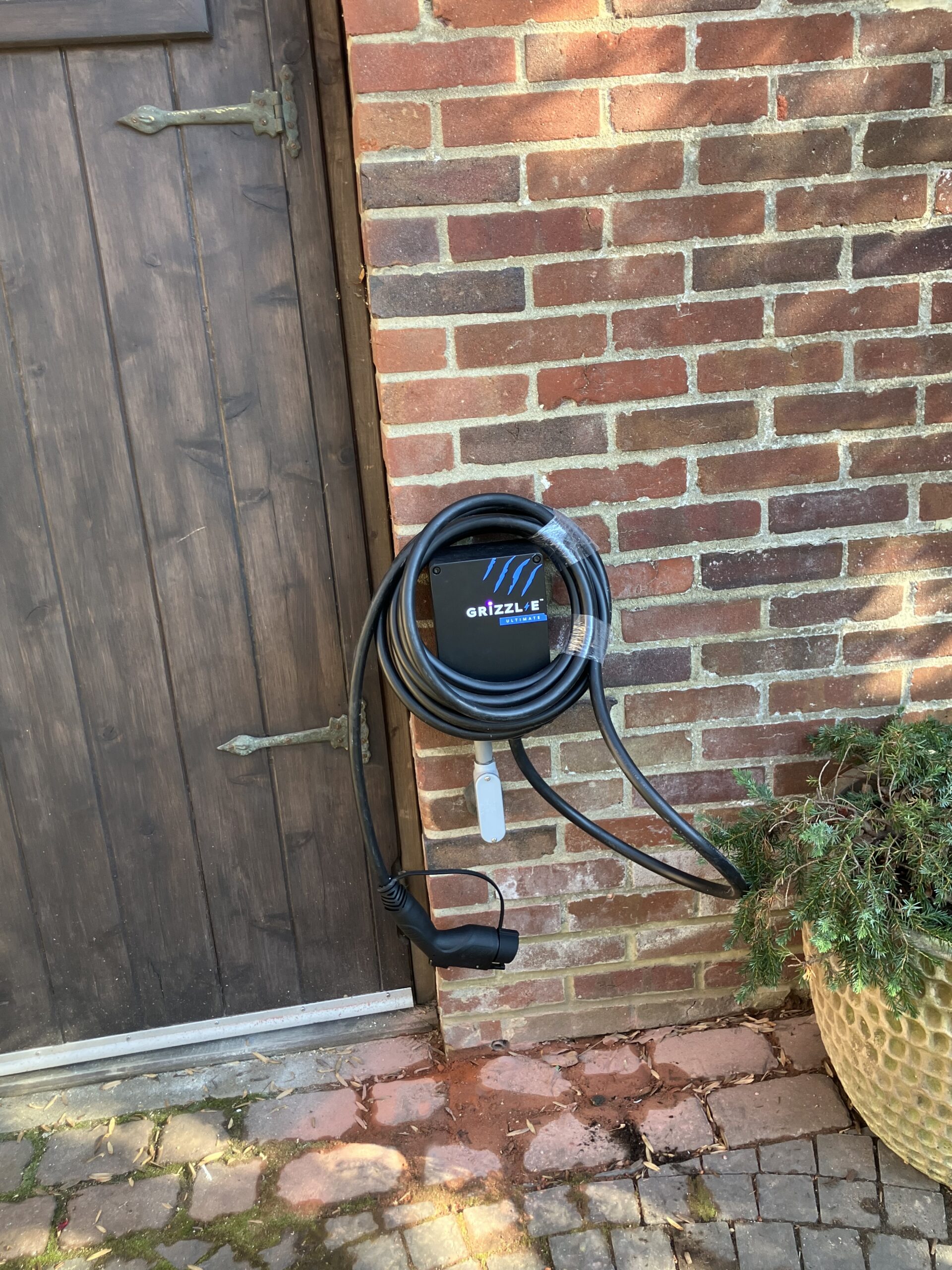
| Grizzl-E Ultimate 48 | 48A / 11.5 kW 16–48A | 60A (20–60A) | Hardwired only | J1772 | 25 ft | — | UL Type 4, −22°F rated; made in Canada | ~$480 |
| Grizzl-E Classic | 40A / 9.6 kW 16–40A | 50A (20–50A) | Plug (14-50 or 6-50); plug removable to hardwire | J1772 | 18 or 24 ft | — | NEMA 4; made in Canada | ~$400 |
| Enphase IQ EV Charger 2 (NACS 40) | 32A / 7.7 kW | 40A | Hardwired (pre-wired #10 whip) | NACS | 25 ft | Integrates with Enphase solar + battery | Ground monitor; NEMA 4; Energy Star | ~$1,000–1,125 |
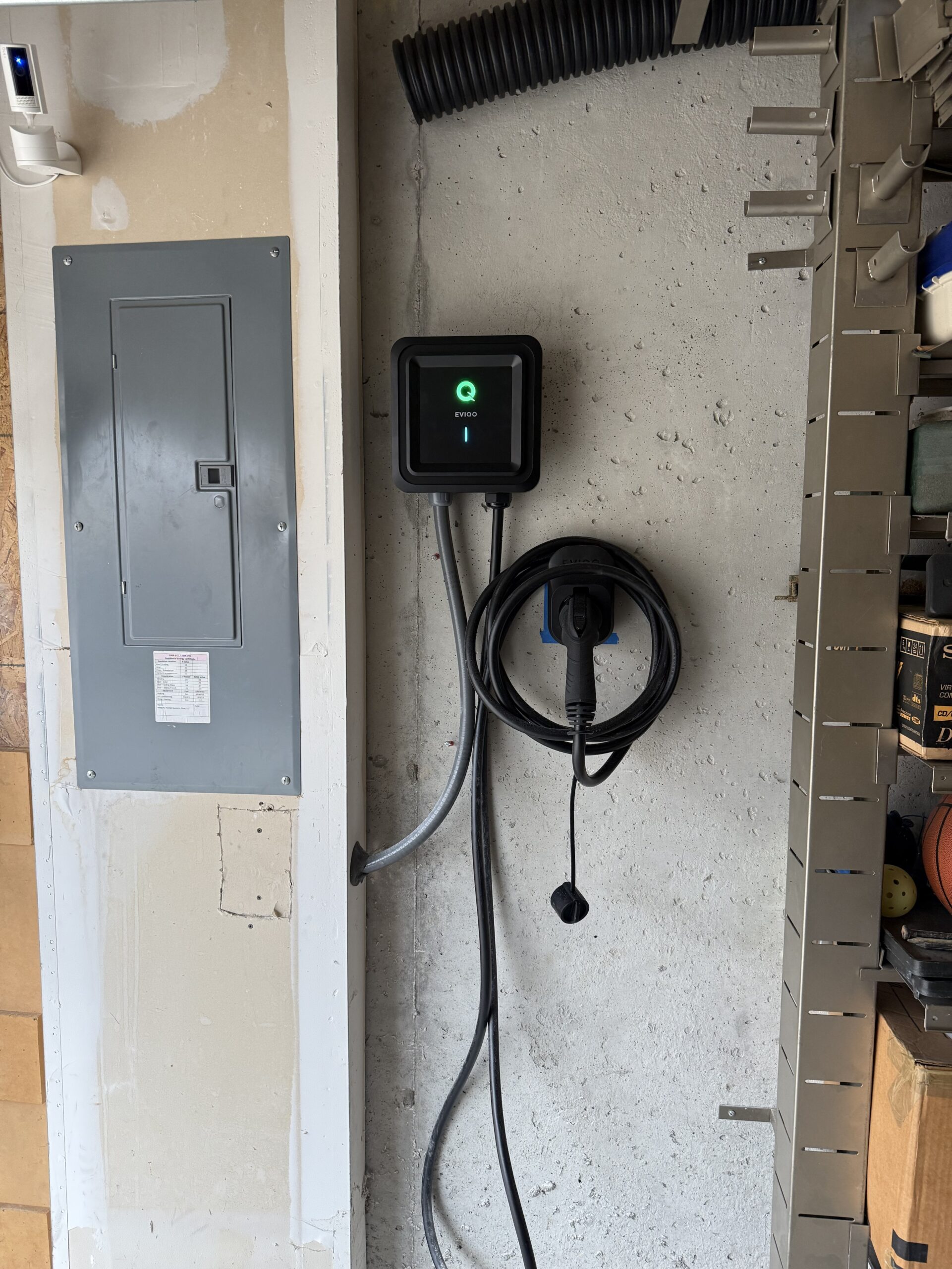
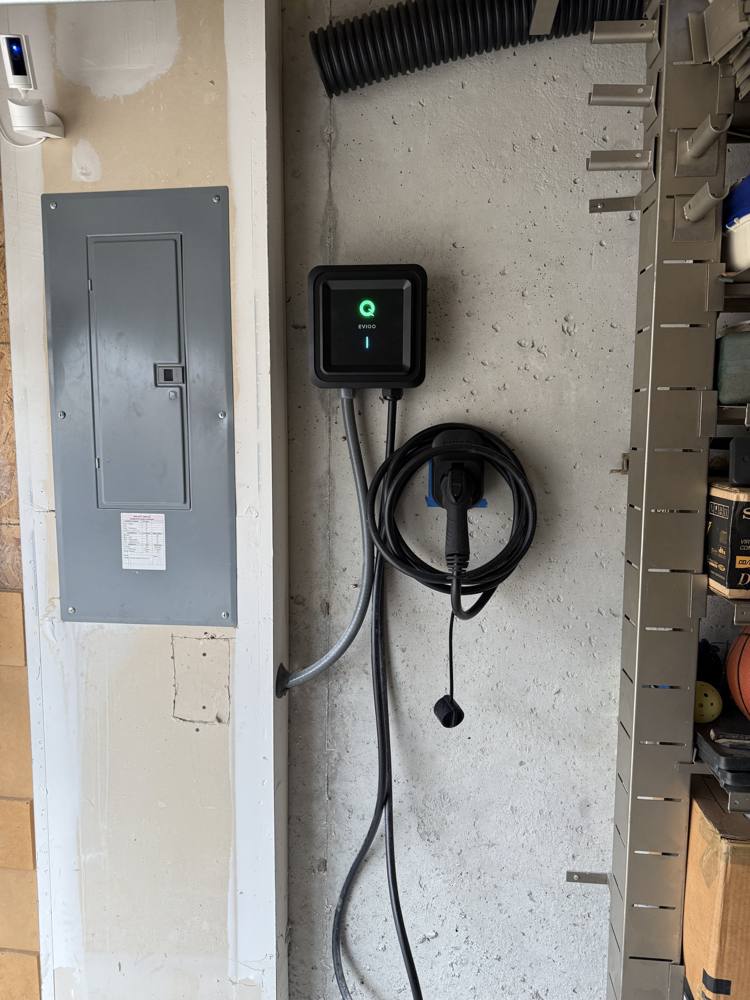
| EVIQO | 48A / 11.5 kW hardwired 40A plug-in | 60A / 50A | Either | J1772 | 25 ft | Amperage in 1A steps from the app (6–48A) | — | ~$455 |
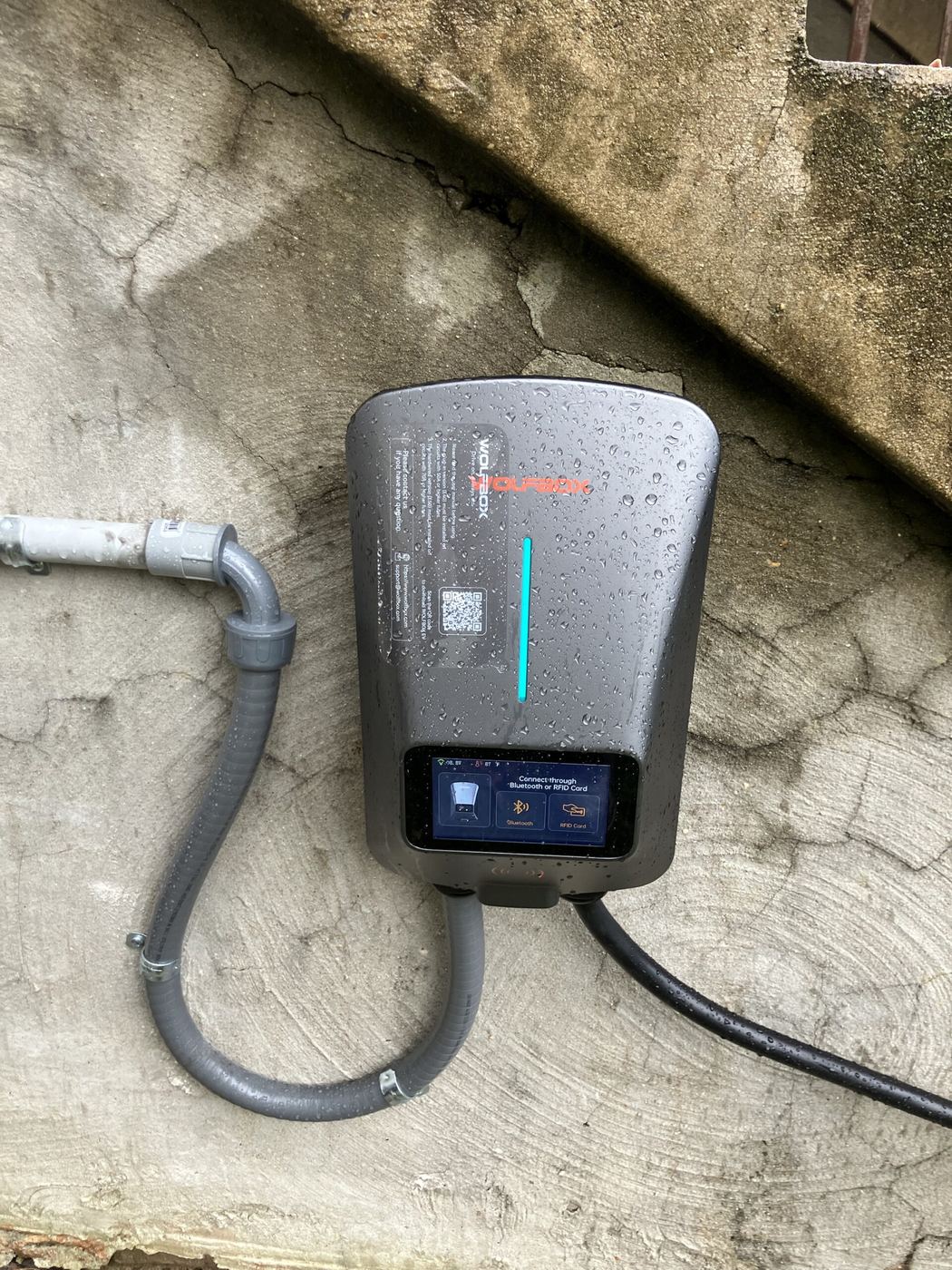
| Wallbox Pulsar Plus | 48A / 11.5 kW hardwired 40A plug-in | 60A / 50A | Either | J1772 | 25 ft | App; Bluetooth + Wi-Fi | UL 2594/2231 | ~$280–600 (sale vs list) |
| GM PowerUp (Ultium Home) | 48A / 11.5 kW hardwired 40A plug-in | 60A / 50A | Either | J1772 | 25 ft | OCPP 1.6; Wi-Fi + Bluetooth | Type 4X | ~$600 |
| GM PowerUp 2 | 48A / 11.5 kW | 60A | Hardwired | J1772 or NACS | 25 ft | Wi-Fi 6; Energy Star | NEMA 4X, IK08 | ~$550 |
| GM PowerUp Plus | 80A / 19.2 kW | 100A dedicated | Hardwired | J1772 | 25 ft | Only pays off on vehicles with a 19.2 kW onboard charger | Type 4X | ~$1,300 |
| BMW Wallbox (Gen 3, NA) | 40A / 9.6 kW 6–40A by DIP switch | 50A | Hardwired, #6 AWG minimum | J1772 | 25 ft | — | — | ~$515–540 |
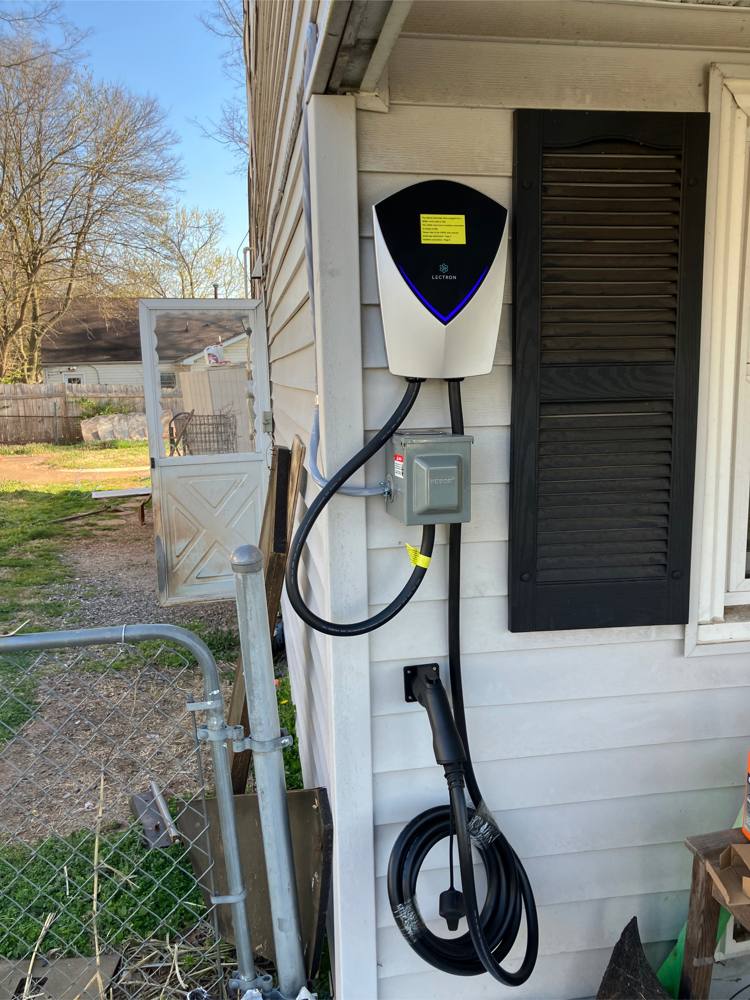
| Lectron V-Box Pro 48A | 48A / 11.5 kW | 60A | Either | J1772 | — | Wi-Fi app | — | ~$360 |
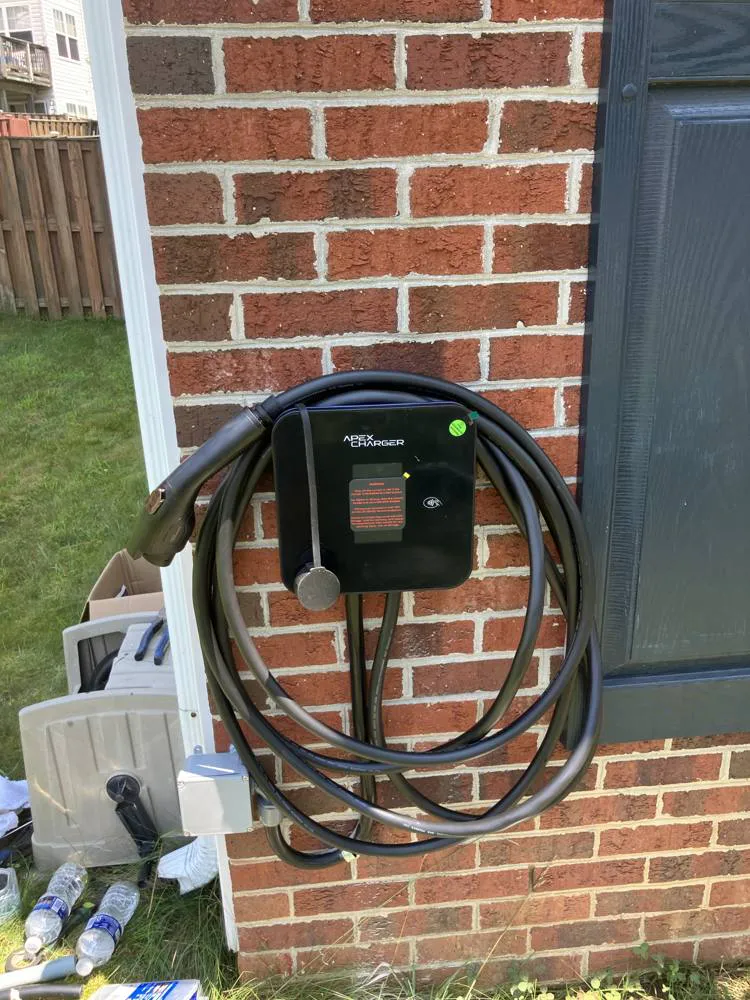
| Apex Mach 2 | 48A hardwired 40A plug-in | 60A / 50A | Either — Apex asks you to cut the plug off to hardwire | J1772 | 30 ft | 5.7" display, RFID card, app | CCID20; NEMA 6 / IP67; ETL, Energy Star | ~$340–470 |
| Rivian Wall Charger | 48A / 11.5 kW | 60A | Hardwired; #6 copper required for 48A | J1772 (NACS version for MY2026+) | 24 ft | Wi-Fi, Bluetooth, OCPP 1.6 | — | ~$800 |
*Approximate US retail for the charger alone, September 2026, from manufacturer and major-retailer listings. Not our installation pricing — that is quoted per job.
Charging Speed: The Smallest Number Wins
Thirteen of the sixteen units above top out at 48 amps. That is not a coincidence — it is the most a 60-amp residential circuit can carry continuously. But the charger's rating is only one of three limits, and the lowest one is what you get:
- The charger. 48A on most, 50A on the ChargePoint, 32A on the Enphase, 80A on the GM PowerUp Plus.
- The circuit. A 48A charger needs a 60-amp breaker and #6 copper. On a 40-amp circuit the same charger is configured down to 32A and charges at 7.6 kW — Tesla's own table goes all the way down to 12A on a 15-amp breaker. We set this at commissioning to match the circuit your panel can support.
- The car. Most EVs' onboard chargers accept 48A or less. Many plug-in hybrids take 16–32A. The GM PowerUp Plus's 80 amps only matter on a vehicle built with a 19.2 kW onboard charger, and the manual says so.
So a $1,300 charger on a 40-amp circuit charges exactly as fast as a $400 one. Before you pay for amps, ask us what your panel will give you — that is the load calculation, and it is the first thing we do.
Hardwired or Plug-In: Every Plug Costs You Eight Amps
Look down the table: every unit that offers both options gives 48A hardwired and 40A on a NEMA 14-50 plug — Emporia, EVIQO, Wallbox, GM PowerUp, Apex. That is the 80% rule applied to a 50-amp receptacle, and there is no way around it. Tesla, Grizzl-E Ultimate, Enphase, Rivian and PowerUp 2 do not offer a plug at all.
Two things the manuals say that buyers rarely hear. Emporia's installation guide specifies industrial-grade, 50A, 80%-continuous-duty receptacles and names the acceptable makers — because ordinary receptacles were never designed for hours at near-maximum current every night. And ChargePoint's guide notes that a plug-in install requires a GFCI breaker under current code, while a hardwired install of the same unit uses the charger's built-in protection instead. We have replaced a receptacle that overheated under nightly charging; the full story is in our Tesla vs ChargePoint comparison.
Apex's own hardwiring card is the plainest version of the trade-off: cut the plug off, land the conductors, and limit the charger's current to less than 80% of the breaker.
NACS or J1772: Buy for the Next Car, Not This One
The industry is moving to the Tesla-style NACS plug, but most of the units above still ship with J1772. Where the table says "J1772 or NACS" — ChargePoint, Emporia, GM PowerUp 2 — you choose at checkout and a second cable is a separate purchase later. The Tesla Universal Wall Connector is the only one with both in the handle. If your household runs two brands of car, or you are not sure what you will drive in three years, that is the decision to get right; it costs more to fix than the charger did.
Load Management: The Feature That Can Save You a Panel Upgrade
On a full 200-amp panel, a 60-amp EV circuit is often the thing that tips the load calculation over. Some of these chargers can help:
- Tesla Wall Connector — Power Sharing lets up to six Wall Connectors split one circuit, for two-EV households on one 60-amp feed. The Universal version adds Power Management with a Powerwall.
- Enphase IQ EV Charger 2 — built to sit inside an Enphase solar-and-battery system and charge from it.
- EVIQO, Emporia, ChargePoint, GM PowerUp — the charging current is set in the app, which means the unit can be permanently limited to what your circuit supports without changing hardware.
- Grizzl-E, BMW — current is set by a DIP switch inside the unit. Same result, less convenient to change.
Whether a managed charger lets a full panel avoid a heavy-up is a load-calculation and jurisdiction question — some inspectors accept an energy-management device under the electrical code, some want to see it documented, and we confirm with your authority having jurisdiction before we promise it. But it is a real option, and it has kept several of our customers out of a panel upgrade they did not otherwise need.
Safety Features That Actually Change the Install
- Built-in ground-fault protection. Tesla, Apex, ChargePoint (hardwired) and most others carry a CCID20 ground-fault circuit inside the unit. Tesla's manual is explicit: do not install a GFCI breaker as well — two devices watching the same circuit cause nuisance trips. Plug-in installs are the exception, where code requires GFCI at the receptacle.
- Ground monitoring. Enphase and Tesla continuously check the equipment ground and refuse to charge without it.
- Thermal monitoring. Tesla's unit throttles current if the terminals get hot — the failure mode that burned the Great Falls receptacle, caught by the charger instead.
- Enclosure rating. Grizzl-E and Enphase are NEMA 4; GM is Type 4X; Apex is IP67. All of the units here are rated for outdoor mounting, but the ratings differ, and a driveway pedestal is a harder life than a garage wall.
- Certification. Look for UL 2594 and UL 2231 on the label. Every unit in the table carries them or the ETL equivalent, and several are Energy Star rated. We would not install one that did not.
What Installing Them Has Taught Us
- Tesla Wall Connectors are our most-installed unit by a wide margin — Ashburn, Aldie, Centreville, Fredericksburg, Manassas and beyond — and the install is the same 60A hardwired circuit every time. It is the least surprising charger we work with.
- ChargePoint is next, and the hardwired-versus-plug decision comes up on nearly every one. Hardwired wins on speed and on not needing a GFCI breaker; plug-in wins if you expect to move.
- Emporia's plug-in customers usually did not know the plug cost them eight amps until we told them. Most chose to hardwire.
- Rivian's manual is the clearest on wire: #14 to #6 copper accepted, #6 required for 48A continuous. That is true of every 48A unit; Rivian just prints it.
- The GM PowerUp Plus is the only 80-amp unit we have handled, and the honest advice is that it needs a 100-amp circuit and a vehicle that can use it. On most cars it is an expensive 48A charger.
- Townhouse garages with the panel on the far wall remain the most common complication, whatever the brand. The charger is the cheap part; the run is the job.
Unit Price Versus Installed Cost
The chargers above run from roughly $280 to $1,300. That spread looks large until you compare it with the electrical work, which is priced per job on: the distance from your panel to the charger; whether the run is open or finished; whether your panel has capacity or needs a load-management strategy or an upgrade; indoor or outdoor; and permit and inspection fees for your jurisdiction. On most installs the charger is the smallest line.
Not sure which to buy? Send us a photo of your panel and tell us what you drive. Call (703) 915-5351 or book a free video call estimate — we will tell you what your circuit will support before you spend anything on hardware.
Outage backup for the EV? Compare a standby generator with a whole-home battery.