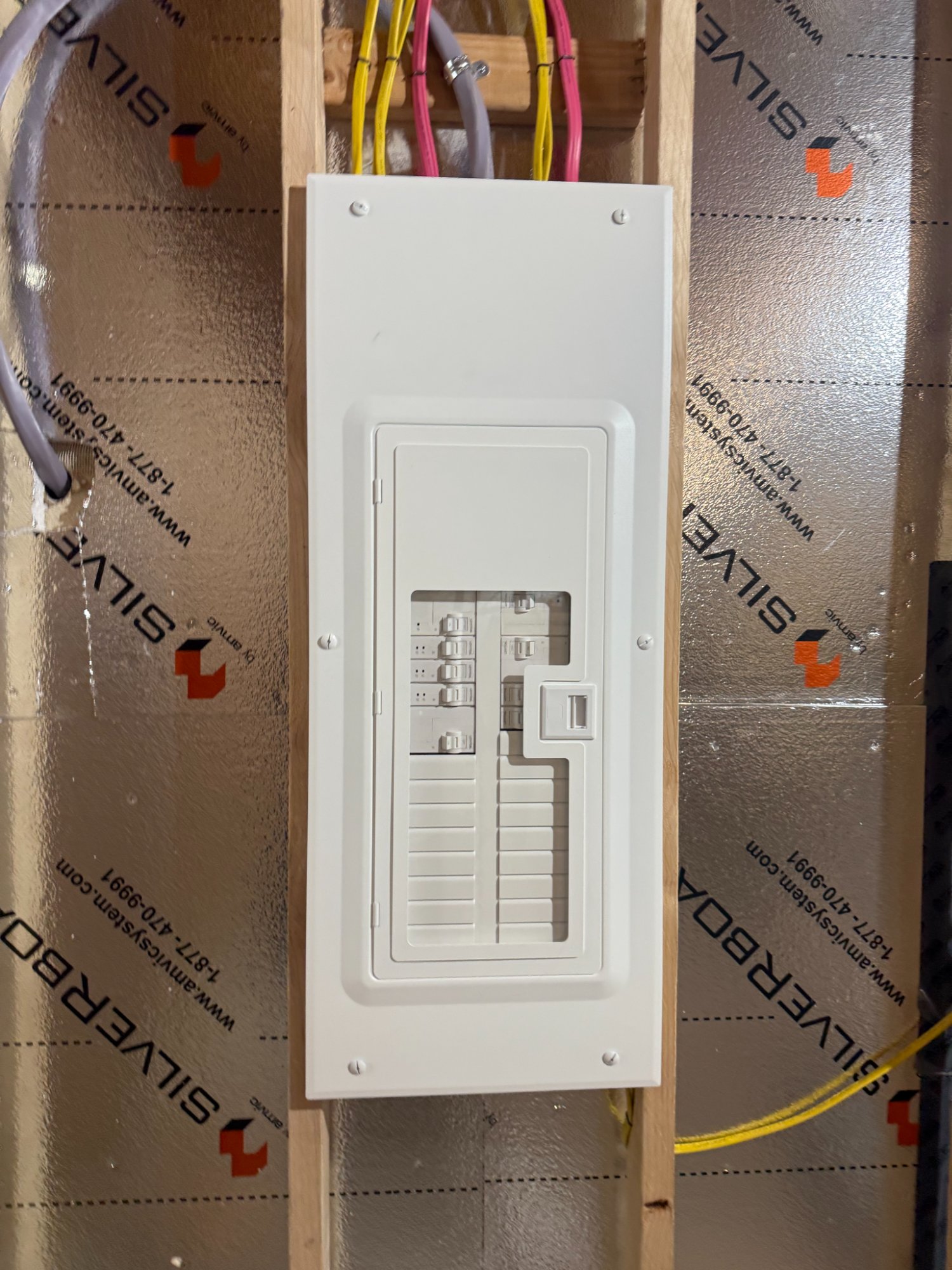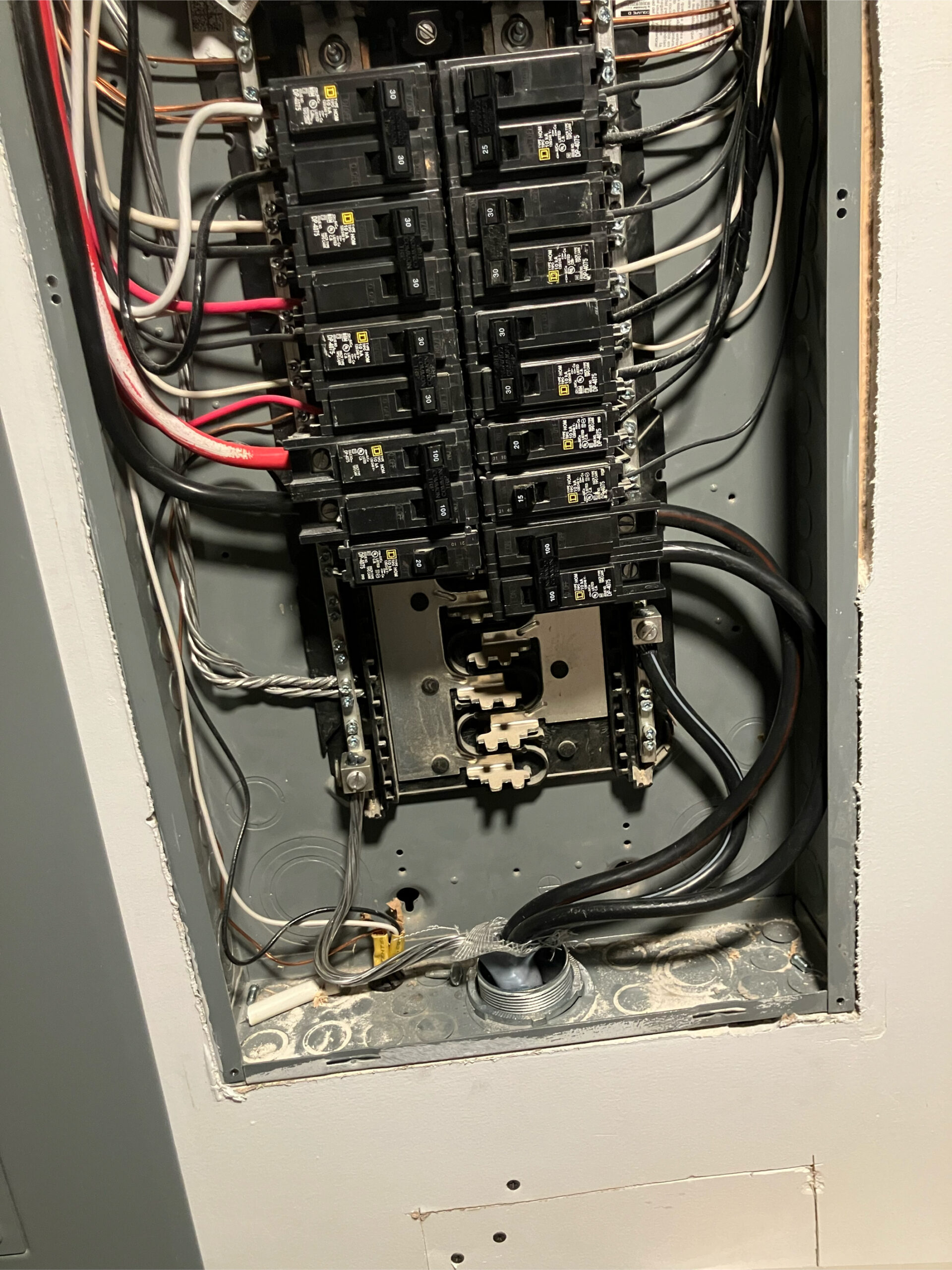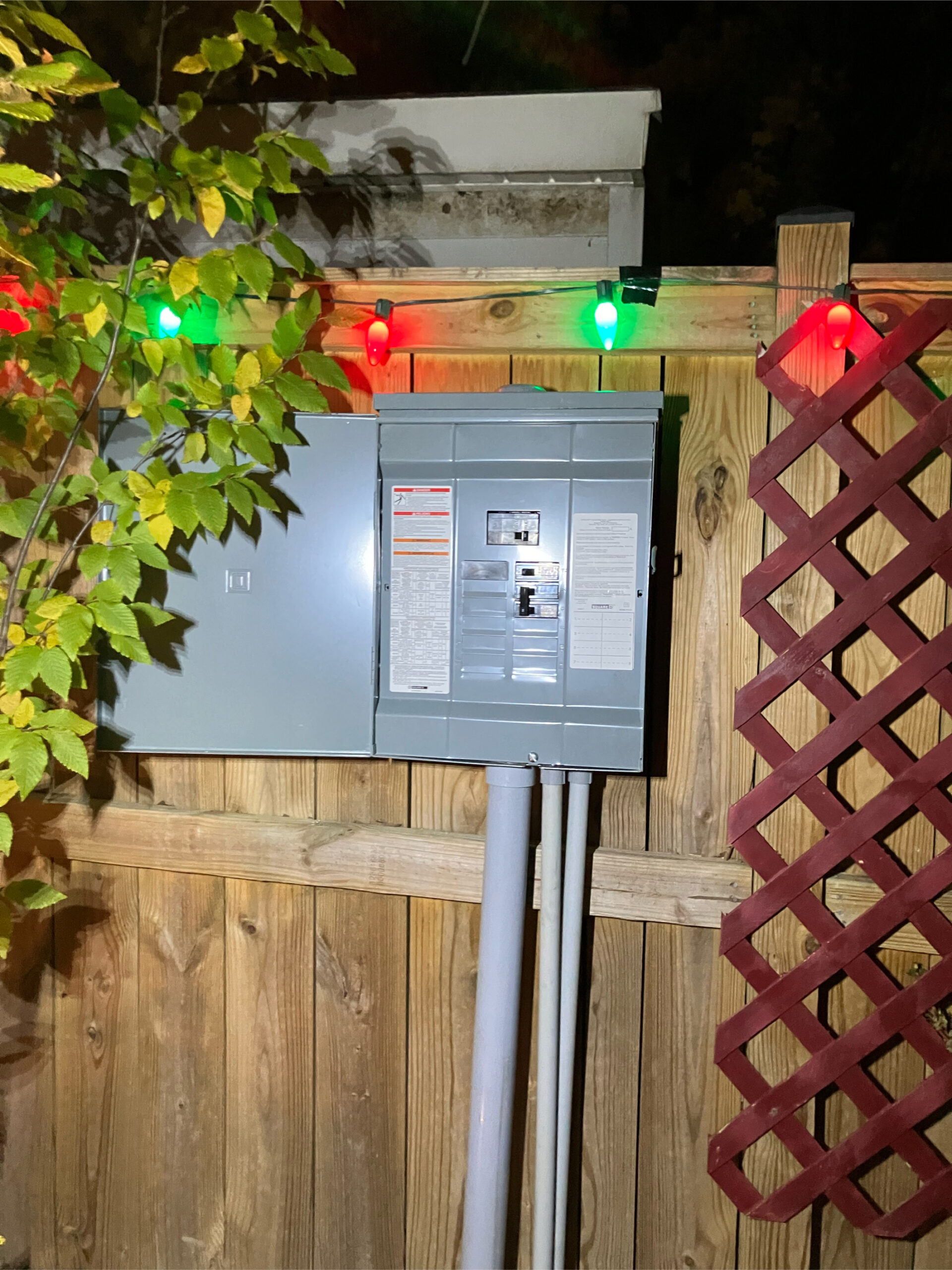
If your electrical panel is failing, known-defective, or simply at the end of its service life, a panel replacement is often the safest solution. SparkWise Electric replaces old or defective panels with new, code-compliant residential panels sized for your home.
Signs your panel may need to be replaced:
- The panel brand is Federal Pacific Electric (Stab-Lok), Zinsco, or Pushmatic
- Breakers feel hot, buzz, or will not stay reset
- The panel is physically damaged, rusted, or shows burn marks
- Your insurance company is requiring replacement
- The panel is a fused or split-bus type from an older home
- A home inspection flagged the panel as unsafe or outdated
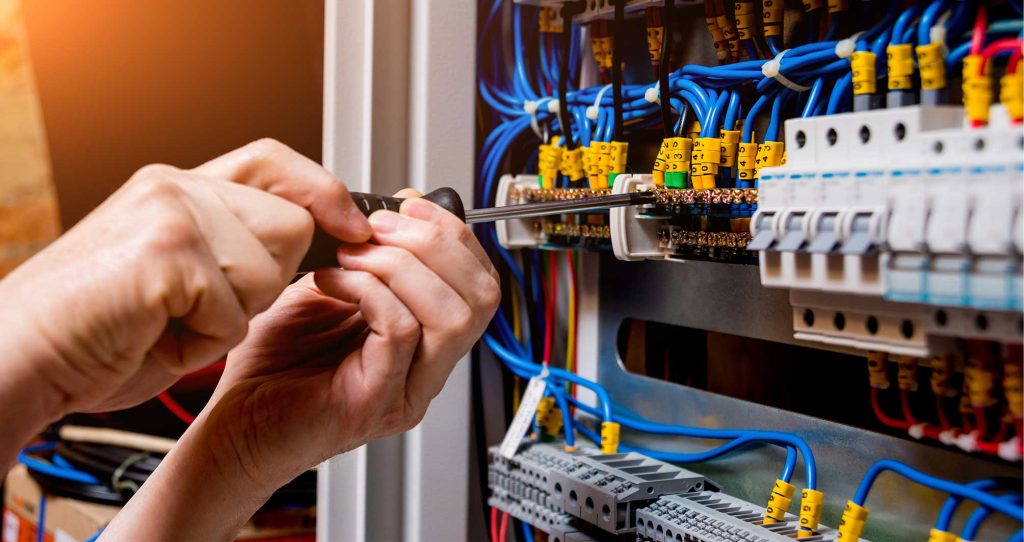
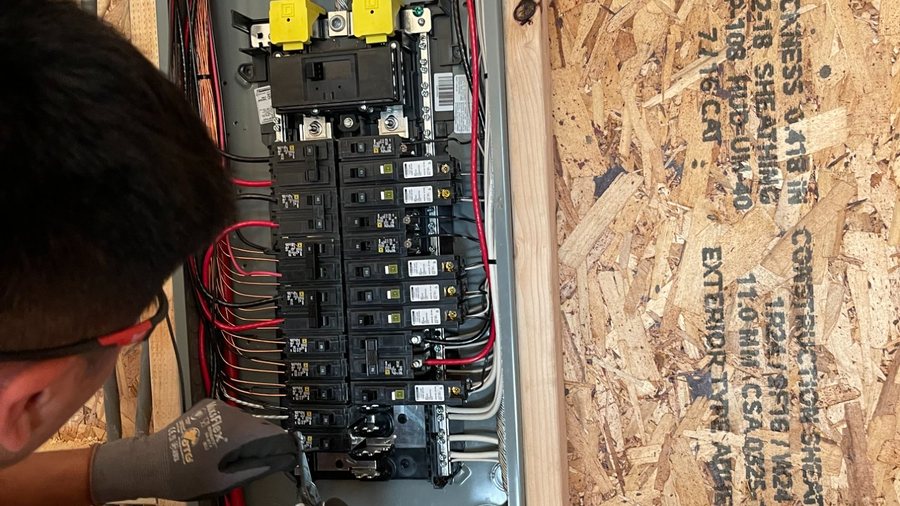
What’s involved: We remove the old panel, install a new residential-grade panel, transfer the existing circuits, label the breakers clearly, and make sure the work is completed to code and passes inspection.
Unsure whether a swap or an upgrade is the right call? Read our comparison of panel upgrades vs. panel replacements to understand the difference.
Call (703) 915-5351 to schedule an estimate.
How a Panel Replacement Works
Every SparkWise panel replacement follows the same permitted, inspected process:
- Free assessment. We inspect your existing panel, confirm the service size, and check for known-defective or failing equipment.
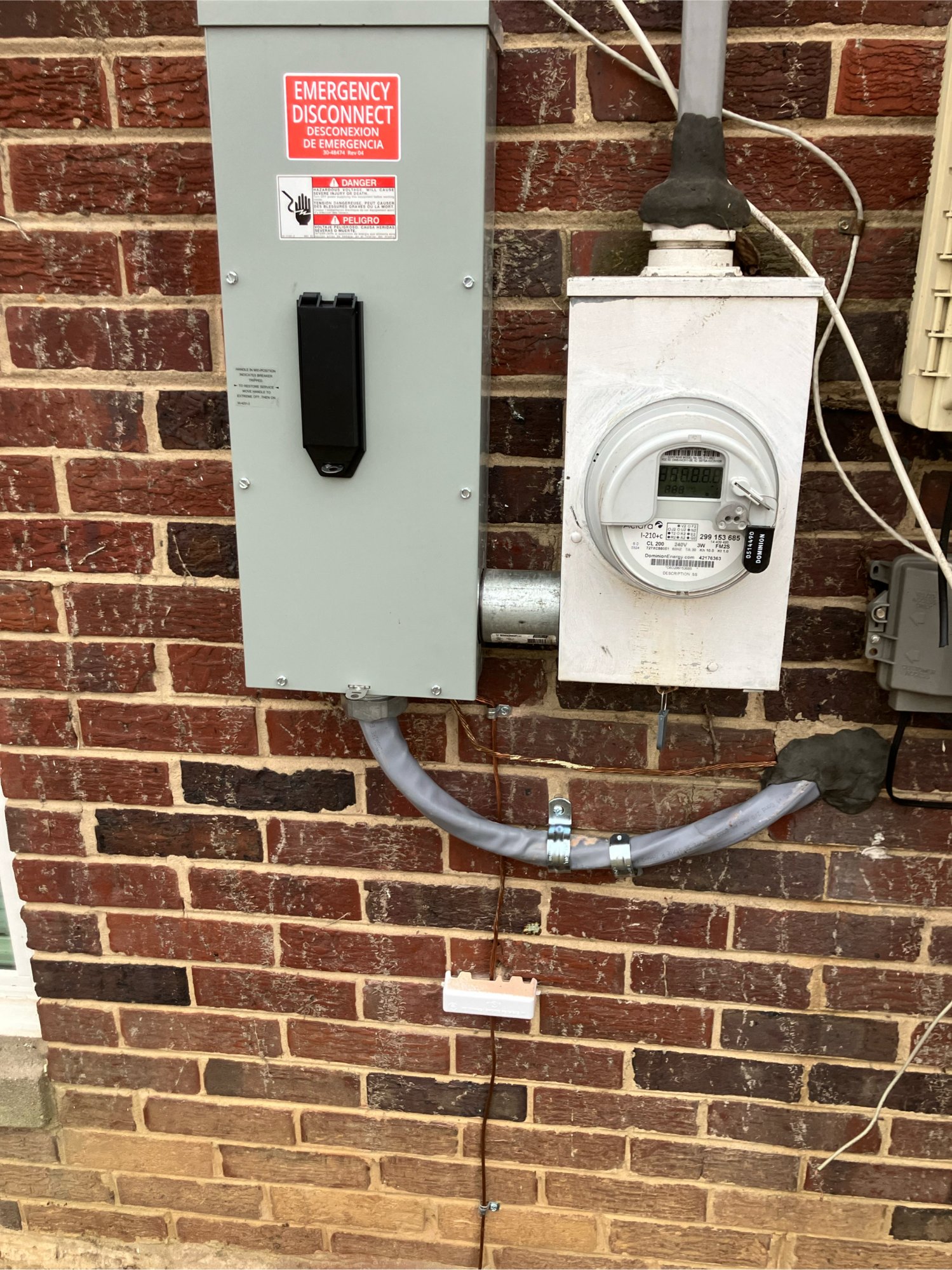
- Utility coordination. For most replacements we coordinate a temporary service disconnect with Dominion or NOVEC so the swap can be done safely.
- Permit. We pull the electrical permit in your jurisdiction — Fairfax County LDS, Arlington CPHD, City of Alexandria DSC, Prince William ePortal, or Loudoun LandMARC — before any work begins.
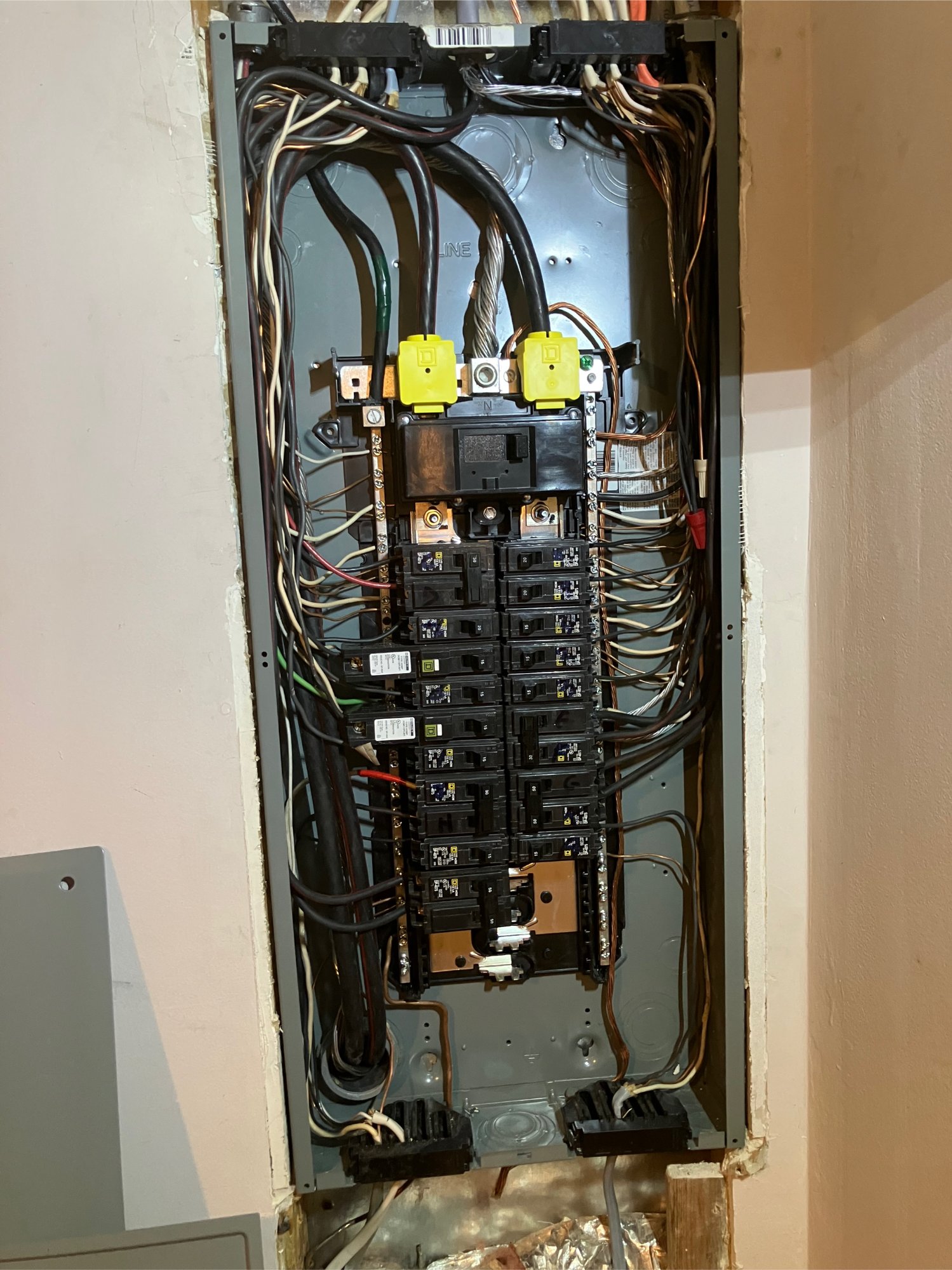
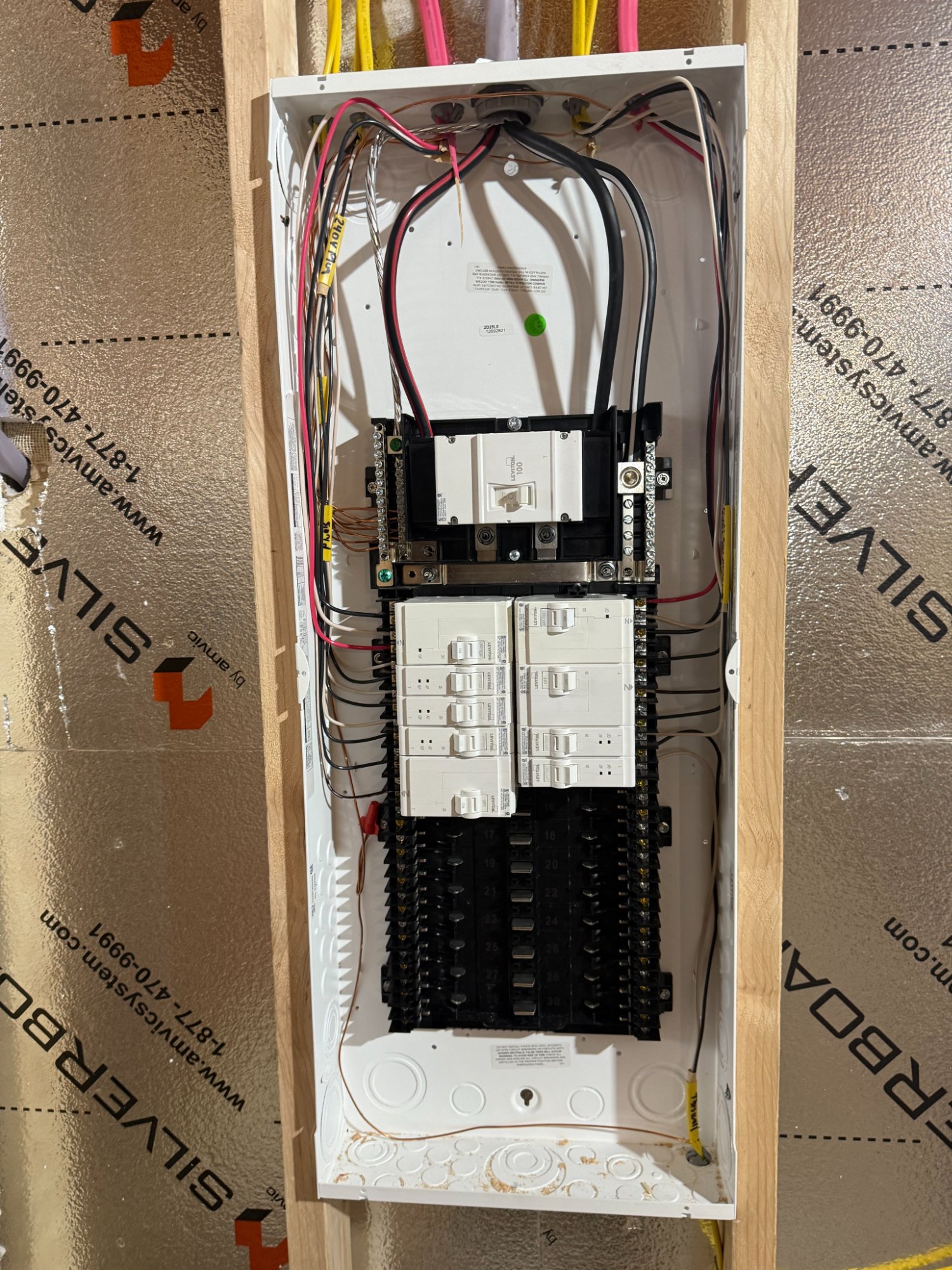
- The swap. We remove the old panel, install a new residential-grade load center (typically Square D or Eaton), transfer and re-terminate every circuit, and label each breaker clearly.
- Inspection and closeout. The county or city inspector signs off, and you receive the completed inspection record for your files, insurance, and future resale.
Most residential panel replacements are completed in a single day, with power restored the same evening.
Obsolete and High-Risk Panels: FPE, Zinsco, and Challenger
If your home has a Federal Pacific Electric (FPE) Stab-Lok, Zinsco, or certain Challenger panels, replacement is strongly recommended rather than repair. These panels have documented histories of breakers failing to trip under fault conditions — which means a short circuit or overload may not shut off the way it should. Many insurers in Virginia now require replacement of FPE and Zinsco panels as a condition of coverage or renewal.
Not sure what brand you have? Send us a photo of the panel label and we’ll tell you — no charge.
What Does Panel Replacement Cost in Northern Virginia?
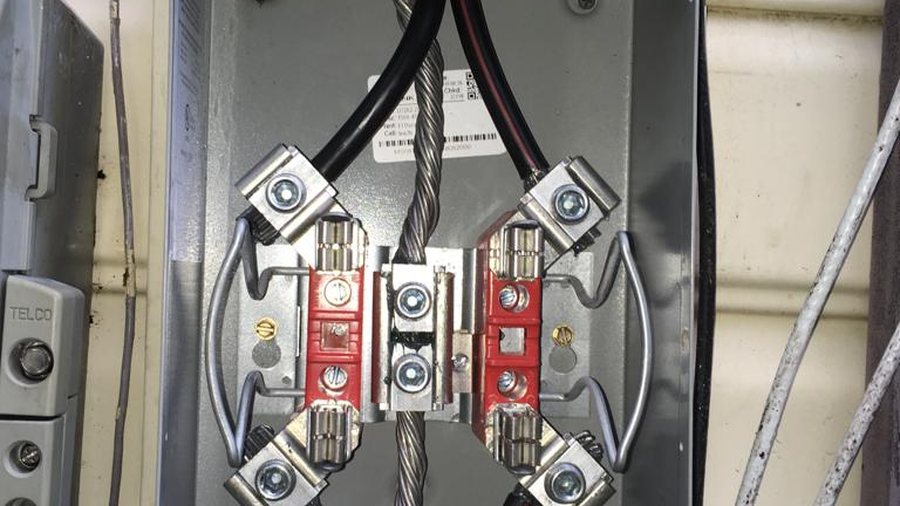
Most like-for-like residential panel replacements (same amperage, same location) fall in the $1,800–$3,000 range in Northern Virginia, including permit and inspection. Costs move toward the higher end when the job involves service-entrance cable replacement, meter base work, grounding system upgrades, or relocating the panel. If you’re also increasing capacity (100A to 200A), that’s a service upgrade — see our panel upgrades page. We provide a firm written quote before any work begins.
Panel Replacement vs. Panel Upgrade
A replacement swaps a failing or known-defective panel at the same amperage. An upgrade increases your home’s service capacity — usually 100A to 200A — to support EV chargers, heat pumps, or additions. If your panel is both old and undersized, we’ll quote both options so you can decide once. Full comparison: panel upgrade vs. panel replacement.
What Is a “Heavy Up”?
“Heavy up” is the local term for upgrading your electrical service to a higher amperage — most commonly from 100 or 150 amps to 200 amps. Around Northern Virginia and the D.C. area, inspectors, real estate agents, and older permit records all use the phrase, so if you’ve been told your home “needs a heavy up,” that’s a service upgrade with a new panel sized for today’s loads: EV chargers, heat pumps, kitchen remodels, and additions.
A heavy up is permitted and inspected work in every jurisdiction we serve — the utility is involved as well, since the service conductors and meter often change. We handle the permit, the utility coordination, and the inspection as part of the job.
Panel Replacement FAQ
How long does a panel replacement take?
Most panel replacements are completed in a single day, typically 6 to 8 hours, with power off for about 4 to 6 hours. Jobs requiring utility re-connection or meter work can extend to a second visit.
How do I know if I have an FPE or Zinsco panel?
Look for the brand name on the panel door or breakers. FPE panels often say Federal Pacific Electric or Stab-Lok; Zinsco panels say Zinsco or GTE-Sylvania. Send us a photo and we will identify it for free.
Do I need a permit to replace my electrical panel in Virginia?
Yes — every Northern Virginia jurisdiction requires a permit and inspection for panel replacement. SparkWise handles the entire process, and you receive the inspection record when it closes out.
Will my insurance improve after replacing a known-defective panel?
Many insurers offer better rates or reinstate coverage after a known-defective panel is replaced. Check with your provider for specifics. We provide documentation your insurer will accept.
Is a Federal Pacific panel really dangerous?
Independent testing found high failure-to-trip rates in FPE Stab-Lok breakers. It’s a documented fire risk, which is why inspectors and insurers flag them. We treat FPE replacement as a priority booking.
Can you add circuits during the replacement?
Yes. A panel replacement is the ideal time to add dedicated circuits for an EV charger, hot tub, or workshop. See EV charger installation and dedicated circuits.
Do you offer financing?
Yes, financing options are available through our partners. Ask when you schedule your estimate.
Is a “heavy up” the same as a panel replacement?
Not exactly. A panel replacement swaps the panel at the same amperage — usually because the old panel is failing, known-defective, or out of space. A heavy up increases your service amperage, which typically includes a new panel plus new service conductors and utility coordination. We’ll tell you which one your home actually needs after a load calculation.