
If you’ve ever wondered why the outlets in your kitchen and bathrooms have little TEST and RESET buttons — or why a home inspector flagged the ones that don’t — this is the short version for Northern Virginia homeowners.
What a GFCI actually does
A GFCI (ground-fault circuit interrupter) constantly compares the current flowing out on the hot conductor against the current returning on the neutral. If even a small amount goes missing — because it found another path to ground, potentially through a person — the device shuts the circuit off in a fraction of a second. That’s a fundamentally different job from the breaker in your panel, which protects the wiring from overload and short circuits. One protects the house; the other protects you.
Where they’re generally required
Virginia builds on the model national electrical code, and the list of locations requiring GFCI protection has expanded with nearly every code cycle. Broadly, protection is expected in areas where water and electricity can meet or where equipment is outdoors or in unfinished space — kitchens, bathrooms, laundry and utility areas, garages, unfinished basements and crawl spaces, outdoor receptacles, and around pools, tubs and spas.
The important caveat: the specific requirements depend on which code edition your jurisdiction has adopted, and the requirements that apply to new work are not always applied retroactively to existing homes. Fairfax, Loudoun, Prince William and Arlington counties — plus the towns and cities that run their own inspections — can differ on the details and on when an upgrade is triggered. If you want a definitive answer for your address, ask your local permit office or ask us and we’ll confirm before quoting.
“My house is older — do I have to upgrade?”
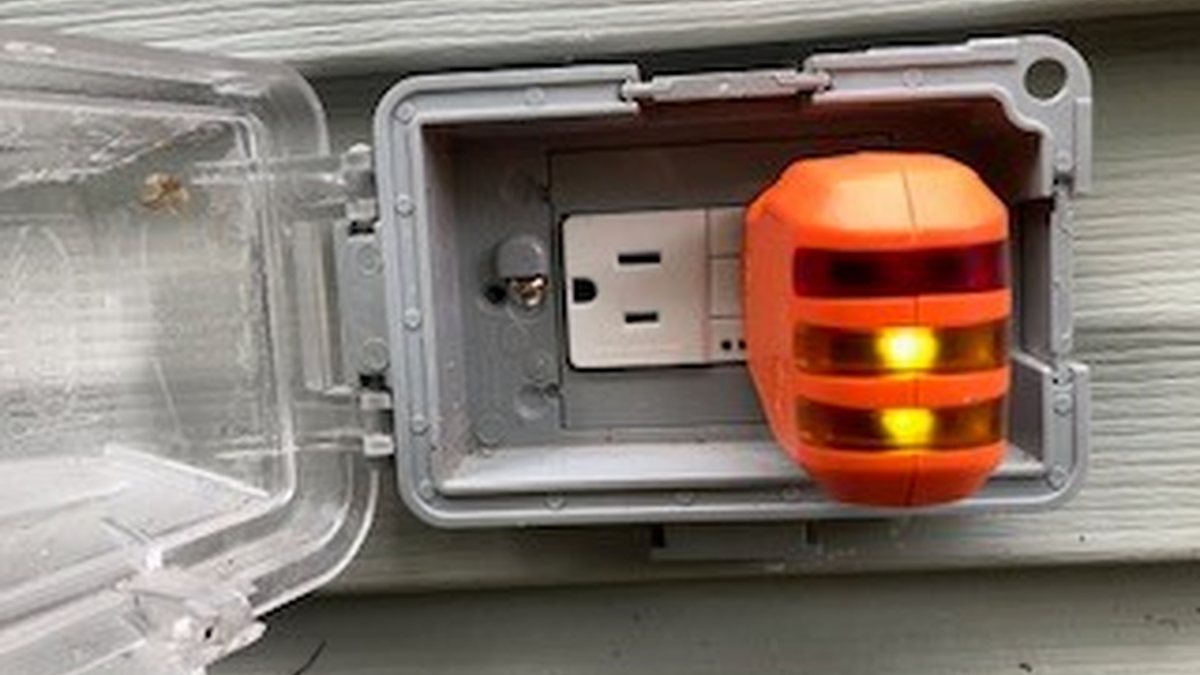
Usually not by force. Existing installations are generally allowed to remain as they were legally installed. But two things change that: renovation work that brings a circuit or room under current code, and common sense. GFCI protection is one of the least expensive safety upgrades available for an older home, and it’s the fix for the classic ungrounded two-prong outlet problem — there is a recognized method of protecting downstream receptacles without rewiring, which we can walk you through for your specific situation.
Outlet vs. breaker: which is right?
Protection can live at the receptacle or at the breaker in the panel. A GFCI receptacle is usually the cheaper choice and puts the TEST/RESET buttons where you can reach them. A GFCI breaker protects everything on that circuit from the panel forward, which is often the better answer for outdoor circuits, hot tubs, or when the first outlet in the run is somewhere inconvenient. We pick based on the circuit, not on habit.
Testing yours (takes 30 seconds)
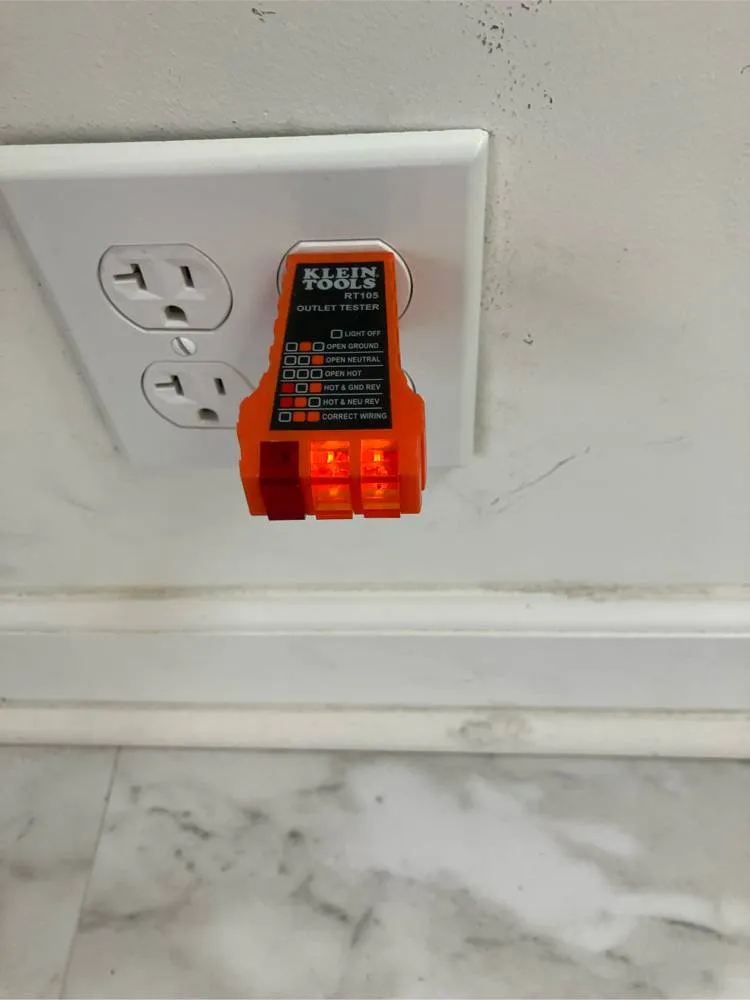
Press TEST — power should cut immediately. Press RESET — power should return. If pressing TEST does nothing, or RESET won’t hold, the device has failed and should be replaced. GFCIs are wear items; the ones protecting an outdoor circuit in Virginia weather don’t last forever. Test them a couple of times a year.
Nuisance tripping usually means something
A GFCI that trips repeatedly is often doing its job. Moisture in an outdoor box, a failing appliance, or a shared neutral can all cause real leakage current. Sometimes it’s the device itself aging out. Either way, repeatedly resetting it without finding the cause is the wrong move — tracing the actual fault is the fix.
Get it done right
SparkWise Electric installs and troubleshoots GFCI protection throughout Northern Virginia and the Maryland suburbs. See our GFCI outlet installation service for what’s involved, or call (703) 915-5351 for a free estimate. Permitted and inspected where the work requires it.
GFCI protection covers shock hazards. For fire and CO hazards, see our smoke and carbon monoxide detector installation service — both are checked in the same visit during a safety inspection.
This article is general information, not a code ruling. Requirements vary by jurisdiction and by the code edition in force — always confirm with your local authority having jurisdiction or a licensed electrician for your specific project.
If you need the work done, see GFCI outlet installation.