Installing a Level 2 EV charger at your home in Northern Virginia is a permitted electrical job — which means it requires a permit, an inspection, and work performed by a licensed electrician. This isn’t red tape for its own sake. The permit process protects you: it ensures the installation is wired correctly, the circuit is properly sized, and your home insurance coverage stays intact.
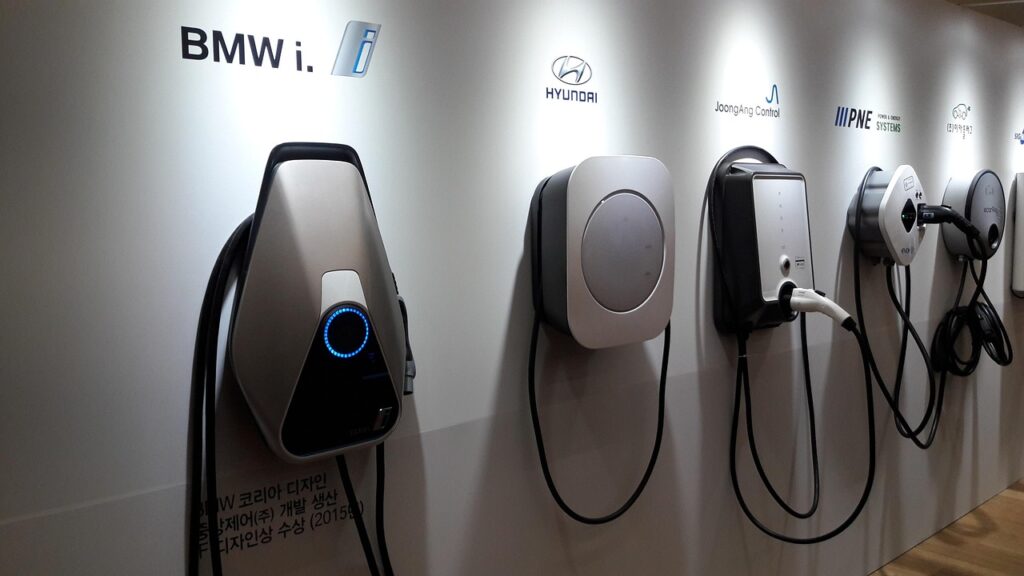
Here’s what the permit process actually looks like in Virginia and what to expect from start to finish.
What Type of Permit Is Required?
EV charger installations fall under electrical permits, not general building permits. In Virginia, electrical permits are issued by the local building department — the Authority Having Jurisdiction (AHJ) for the jurisdiction where your home is located.
In the Northern Virginia area, that means:
- Arlington County — Arlington County Dept. of Community Planning, Housing and Development
- Fairfax County — Fairfax County Dept. of Land Development Services
- City of Alexandria — Alexandria Dept. of Planning and Zoning
- McLean / Falls Church / Reston / Springfield — Permit through the applicable county (Fairfax for most of these)
Each jurisdiction uses the Virginia Uniform Statewide Building Code (VUSBC), which incorporates the National Electrical Code (NEC). The permit requirements are consistent across jurisdictions, though processing times and fees vary slightly.
Who Pulls the Permit?
In Virginia, electrical permits for residential work must be pulled by a licensed electrical contractor — not by the homeowner, and not by the charger manufacturer. This is a state licensing requirement.
When you hire SparkWise Electric, we handle the permit application as part of the job. You don’t need to visit the permit office or track the application yourself.
What Does the Permit Cover?
The electrical permit for an EV charger installation covers the complete scope of the electrical work, which typically includes:
- The new dedicated 240V/50A circuit from the panel to the charger location
- The breaker installation in the main panel
- The wall-mounted EVSE (Electric Vehicle Supply Equipment) unit itself
- Any conduit, wiring, or junction work along the circuit path
- If required: panel upgrades or load management equipment
What Happens at Inspection?
After the work is complete, a county electrical inspector visits the property to verify the installation meets code. Inspectors typically check:
- Circuit sizing (wire gauge and breaker amperage match the charger specs)
- Proper grounding and bonding
- GFCI protection where required
- Panel condition and available capacity
- Correct mounting and weatherproofing for outdoor installations
A licensed electrician who knows local inspection standards will install the job correctly the first time. Re-inspections and correction work add cost and delay.
Why Skipping the Permit Is a Problem
Unpermitted electrical work creates real risk. If an EV charger wired without a permit causes a fire or electrical damage, your homeowner’s insurance may deny the claim. Unpermitted work also has to be disclosed when you sell the home — and buyers and their inspectors will find it.
Any contractor offering to install a charger “without the hassle of permits” is offering you a liability, not a convenience.
How SparkWise Handles the Permit Process
We manage the full permit workflow on every EV charger installation — application, scheduling the inspection, and walking you through the close-out. Most installations in Northern Virginia complete the permit and inspection process without any issues on first inspection.
We serve Arlington, Fairfax, Alexandria, McLean, Springfield, Reston, and surrounding communities. Call (703) 915-5351 or request a free on-site estimate to get started.
Looking for more electrical tips for your home? Browse all SparkWise Electric articles →
Related Services from SparkWise Electric
Need help from a licensed electrician in Northern Virginia? Contact SparkWise Electric or call (703) 915-5351.