
If you’re a commercial tenant preparing for a buildout — whether it’s a restaurant, salon, medical office, or retail shop — electrical work is one of the first trades that needs attention. Getting the electrical scope right before walls go up saves time, prevents change orders, and keeps your project on schedule for occupancy.
Here’s what you should know before, during, and after the electrical phase of a commercial tenant buildout in Northern Virginia.
Start With a Load Assessment
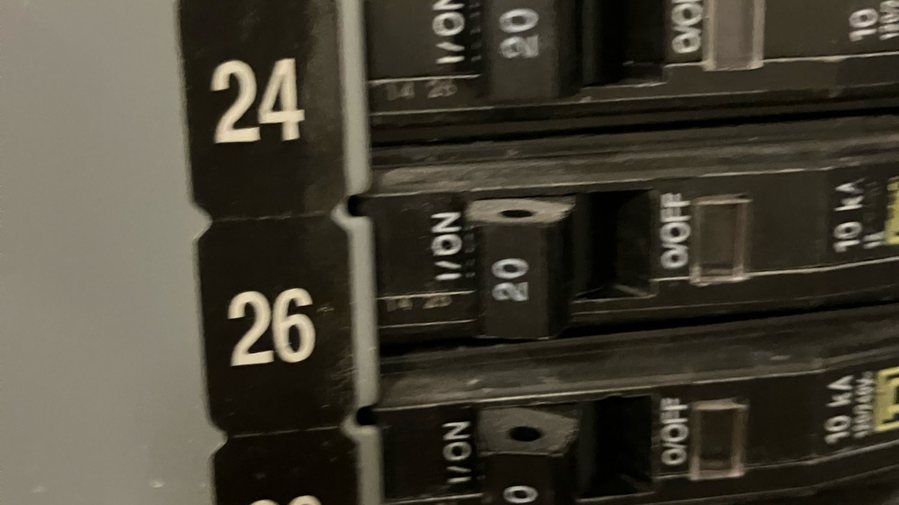
Before your architect or general contractor finalizes the floor plan, your electrician should evaluate the existing electrical service in the space. Key questions include how much amperage is available at the panel, whether the panel has enough breaker capacity for your planned use, and whether the existing wiring meets current NEC standards.
For most commercial tenants, the existing service is shared or metered through the building’s main distribution. If your business requires heavy loads — commercial kitchen equipment, HVAC units, server rooms, or industrial machinery — you may need a panel upgrade or a separate sub-panel before construction begins.
Electrical Work Happens Early in the Buildout
Electrical rough-in — running conduit, pulling wire, and placing boxes — happens during the framing phase, before drywall goes up. This is also when your electrician coordinates with HVAC, plumbing, and fire suppression contractors to avoid conflicts in the ceiling and wall cavities.
Delaying the electrical scope until later in the buildout usually leads to costly rework. If drywall is already hung and the electrician hasn’t run circuits for your POS system, data drops, or dedicated kitchen outlets, expect delays and added cost to open and patch walls.
Common Electrical Needs by Business Type
Every business type has a different electrical profile. Restaurants and food service spaces typically need high-amperage dedicated circuits for commercial ovens, walk-in coolers, exhaust hoods, and dishwashers. Salons and spas require dedicated circuits for dryers, steamers, and styling stations, plus adequate lighting at each work area.
Office spaces need structured cabling, data circuits, and reliable power to server closets or IT rooms. Retail spaces require lighting circuits that support the display layout and signage. Medical and dental offices need isolated ground circuits for sensitive equipment, emergency power provisions, and compliance with stricter code requirements.
Your electrician should be involved early enough to plan for your specific equipment list — not just general-purpose outlets.
Permits and Inspections Are Required
Commercial electrical work in Northern Virginia requires permits from the local Authority Having Jurisdiction (AHJ). In Arlington County, Fairfax County, the City of Alexandria, Prince William County, and Loudoun County, you’ll need an electrical permit before any new wiring, panel work, or circuit installation begins.
The permit process includes a plan review (for larger projects), the permit itself, and at least one rough-in inspection plus a final inspection before the space can pass occupancy. Skipping permits doesn’t just create legal risk — it can void your lease, delay your certificate of occupancy, and create liability for the property owner.
SparkWise Electric handles the full permit process for commercial tenants, including applications, coordination with inspectors, and documentation.
Lighting Matters More Than You Think
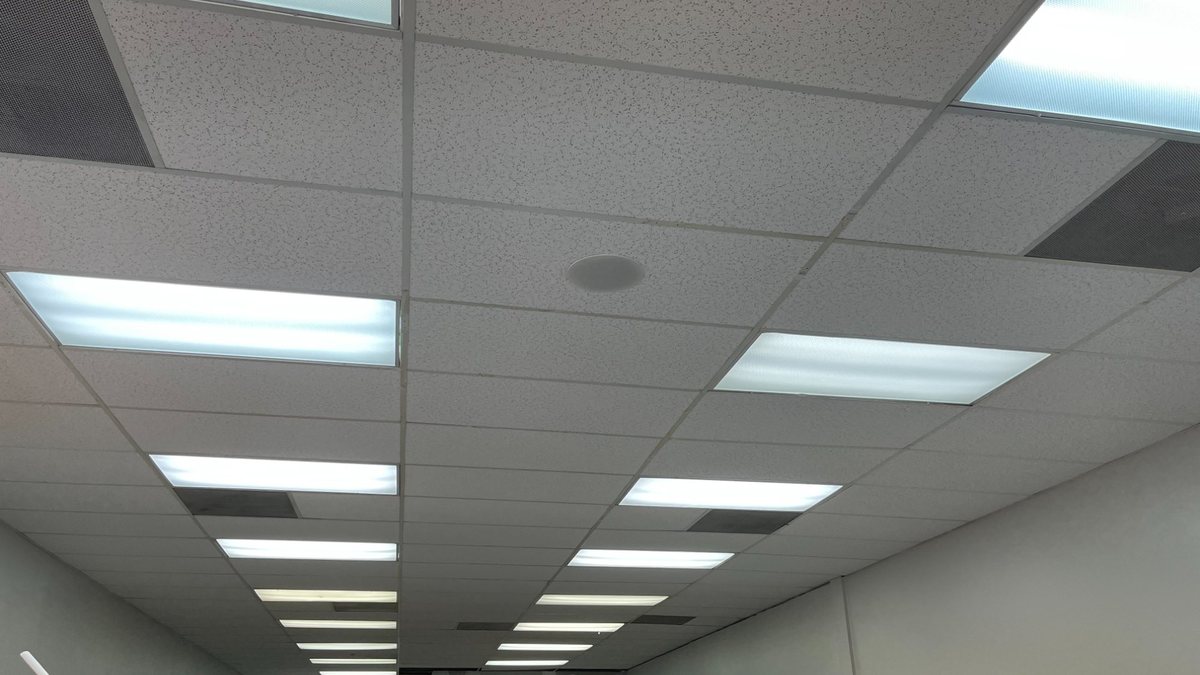
Lighting design affects your customers’ experience, your employees’ comfort, and your energy costs. During a buildout is the best time to plan your lighting layout — not after the ceiling grid is installed.
LED retrofits and new LED installations are now standard for commercial spaces. They reduce energy consumption, last significantly longer than fluorescent fixtures, and meet current energy code requirements. If your lease includes a lighting allowance or TI budget, LED fixtures are the best investment you can make for long-term operating costs.
What to Ask Before Signing the Lease
If you haven’t signed your lease yet, or you’re still in the LOI phase, this is the best time to get an electrician involved. A quick site walk can answer critical questions that affect your buildout budget: Is the panel large enough? Is the wiring up to code? Will you need a sub-panel? Are there enough circuits for your planned use?
Discovering a panel upgrade requirement after you’ve signed the lease and started construction is one of the most common — and most expensive — surprises in a tenant buildout.
SparkWise Electric Handles Commercial Buildout Electrical Work
SparkWise Electric is a licensed electrical contractor serving commercial tenants, property managers, and general contractors throughout Northern Virginia. We handle the full electrical scope for tenant buildouts — from the initial load assessment through rough-in, trim-out, and final inspection.
Whether you’re opening a new restaurant, renovating a medical office, or fitting out a retail space, we work with your GC and design team to keep the electrical scope on schedule and to code.
Call (703) 915-5351 or request a free estimate to discuss your buildout project.
Related Services
- Commercial Electrical Services
- Tenant Improvement Electrical Services
- Commercial Panel Upgrades
- Commercial Lighting Retrofits
Need help from a licensed electrician in Northern Virginia? Contact SparkWise Electric or call (703) 915-5351.
Planning a commercial buildout?
SparkWise Electric works with property managers, GCs, and business owners across Arlington, Fairfax, Loudoun, and Prince William. We pull permits, coordinate inspections, and can provide a certificate of insurance on request.
Call (703) 915-5351 or book online for a free buildout walk-through. Licensed Master Electrician #2710064102.