
Electric vehicles live or die on the quality of the power feeding them, and one of the quietest ways to cripple that performance is excessive Voltage Drop Research — EBSCO in the charging circuit. When the voltage at the car is noticeably lower than at the panel, charging slows, heat builds in the wiring, and the system can drift out of spec long before anything actually trips.
As an electrician, I look at voltage drop for EV chargers the same way I look at tire pressure for highway driving: you can ignore it for a while, but you will pay in efficiency, safety margin, and long‑term reliability. Understanding how and why that drop happens, and designing your home or workplace charging so it stays within reasonable limits, is one of the simplest ways to protect your investment in both the car and the electrical system that feeds it.
What voltage drop actually is in an EV circuit
At its core, voltage drop is just the difference between the voltage that leaves the source and the voltage that arrives at the load, in this case your EV charger or onboard charger. Every conductor has resistance, so as current flows through the circuit, some of the electrical energy is lost as heat and the measured voltage at the far end falls compared with the panel. That is why the Voltage Drop between the beginning and end of a run is defined as a reduction in Voltage along the Wires, and why sizing and layout matter so much for each application.
From a physics standpoint, nothing mysterious is happening: the resistance or impedance of the conductors and terminations causes a portion of the supply to be spent just pushing Current through the copper or aluminum. As that Current traverses the length of the cable, the resulting drop means the voltage at the charger is lower than at the breaker, which is exactly what detailed explanations of voltage drop describe, including the fact that excessive loss can create hot spots and even fire hazards if it is ignored.
Why EVs are especially sensitive to sagging voltage
EV charging is unforgiving of sloppy power delivery because the car is essentially a smart load that constantly monitors voltage and current. The higher the voltage at the charger, the more power can be delivered for a given current limit, which is why high‑performance EVs use high‑voltage battery systems and why higher system voltage is often compared to More pressure in a water pipe that lets you move more flow through the same pump.
When the supply sags, the onboard electronics respond by cutting current to stay within their own thermal and electrical limits, so the car simply cannot pull the power it was designed to use. That is why practical guides on Voltage Drop and EV Chargers warn that long or undersized cables can quietly kill charging speed and recommend planning home circuits for 50 amp capacity even if the first car does not need it yet.
Real‑world symptoms: when your charger starts strong then slows
One of the most common complaints I hear from EV owners is that the car starts charging at full tilt, then backs off after a few minutes even though nothing obvious has changed. A typical pattern is exactly what one homeowner described, where the charge will often start strong at 48A and 240 volts, but over time the voltage begins to sag and the car scales back to 30–36 amps to protect itself.
From an electrician’s perspective, that behavior is a red flag that the circuit is running near its limits and the voltage drop under sustained load is higher than the car is happy with. Owners of popular models like the Tesla Model 3 and Model Y have reported that the voltage drop times the amperage is simply energy wasted as heat in the wiring, energy that still gets charged for by the utility even though it never reaches the battery.
Efficiency, cost, and performance penalties
Once you translate that wasted energy into dollars and time, the case for managing voltage drop becomes obvious. Every extra volt lost in the cable at 40 or 48 amps is watts of heat that you pay for but never store in the pack, and over hundreds of charging sessions that adds up to a measurable hit on your electricity bill. In modeling work on EV drive systems, researchers have shown that, EV Charging Voltage Drop Study (MDPI) to the voltage drop, logically and theoretically, the power generated decreased, which means the power and battery are no longer able to drive the vehicle as effectively when the system is starved of proper supply voltage, a relationship documented in detailed Due analyses of EV performance.
On the charging side, the same physics applies: lower voltage at the car means lower real power for the same current, so a session that should take four hours can quietly stretch toward six if the circuit is poorly designed. That is why practical guides for off‑grid and 12‑volt systems stress that voltage drop matters because it ruins an otherwise perfect trip when fridges, inverters, or chargers never see the voltage they were promised, a point hammered home in advice on why voltage drop matters and how to prevent it.
Safety stakes: heat, insulation stress, and surge interaction
From a safety standpoint, voltage drop is not just an efficiency problem, it is a heat management problem. When a long run of cable is undersized for the current, the resistance that causes the drop also causes the conductor to run hotter, which can dry out insulation, loosen terminations, and in the worst case create ignition points in walls or ceilings. Technical primers on voltage drop explicitly note that as electrical current traverses the wire, the resulting heat and reduced voltage at the end of the run can pose fire hazards if the installation is not properly engineered.
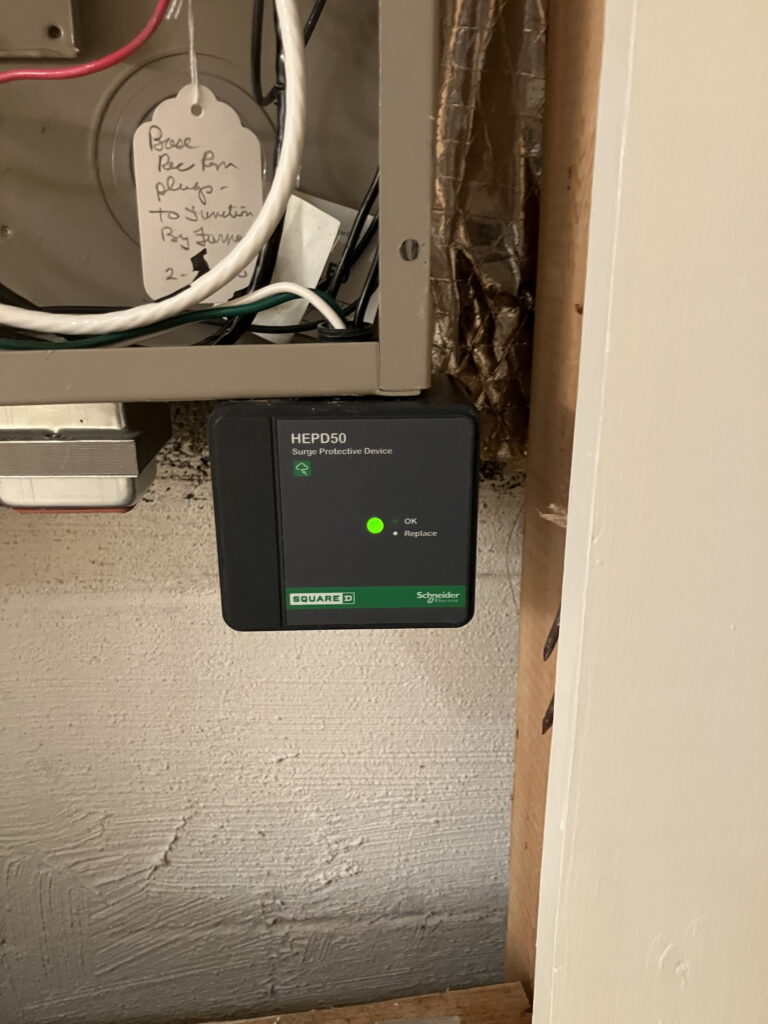
On top of that slow, resistive heating, EV charging circuits also have to contend with transient events like lightning strikes or grid switching, which can send sharp spikes of Power through the same conductors. Those surges ride on top of whatever baseline voltage the system is already running at, and guidance on surge protection explains that Electric service can experience tremendous voltage surges that damage chargers and vehicles unless surge protective devices are installed at the panel or subpanel feeding the EV circuit.
How wiring, distance, and extensions create drop
Most of the voltage sag I diagnose in home EV setups comes down to three things: wire size, run length, and unnecessary connections. The longer the cable and the smaller the cross‑section, the more resistance the electrical current encounters, which is why guidance on cabling for precision power supplies notes that Current‑resistance loss results in a voltage drop between the power supply and the load and that the lower the American Wire Gauge rating, the thicker the wire and the lower the loss, a relationship spelled out in detail in discussions of Current and cable gauge.
One of the worst habits I see is plugging a Level 1 or even a portable Level 2 EV charger into a long extension cord to reach a driveway or carport. It ( Voltage Drop ) is a natural occurrence due to the resistance of the wire, and the more length and extra plugs you add, the more resistance the electrical current encounters, which means the charger might not receive the voltage it expects and can overheat the cord or the receptacle.
Voltage fluctuations, not just steady drop, hurt charging
EV chargers are designed to tolerate a certain range of input, but they do not like a moving target. When the supply voltage swings up and down as large loads in the house cycle on and off, the charger and the car have to keep adjusting, which can lead to nuisance faults, reduced current, or in some cases a complete stop to the session. Technical guidance on However the impact of voltage fluctuations on EV charger performance explains that these variations can cause chargers to misbehave and contribute to a negative perception of EVs generally when drivers see inconsistent charging times.
From the field side, I see this most often in older homes where the EV circuit shares a long feeder with air conditioning condensers, well pumps, or large electric ranges. Every time one of those loads kicks on, the voltage at the EV charger dips, then recovers, and the car responds by trimming current to stay within its own comfort zone. That is why I push for dedicated, properly sized runs for high‑power wallboxes and why I treat voltage stability as just as important as the nameplate amperage rating when I evaluate a panel for EV duty.
Designing EV circuits to keep voltage drop in check
Good design is the cheapest place to solve voltage drop, and it starts with basic layout choices. I try to keep EV circuits as short and direct as possible, avoid unnecessary junction boxes, and size conductors not just to code minimums but to the actual continuous load and distance involved. Practical how‑to guides on how to calculate voltage drop make the same point, noting that if your calculated drop is too high, the easiest and most common solution is to simply use a thicker wire.
For a typical 40 amp Level 2 charger like a Tesla Wall Connector or a ChargePoint Home Flex, that often means stepping up one wire size beyond what the code table strictly requires, especially if the run is pushing 100 feet or more. I also plan for future loads, following the same logic as EV‑specific advice that says if you are installing a circuit today, plan for 50 amps so you are not locked out of faster chargers later, a recommendation echoed in guidance on Don and Let Your Cables Kill Charging Speed when undersized.
Practical checks and when to call an electrician
For EV owners, the first step is simply paying attention to the numbers your car already shows you. Most modern models, from the Chevrolet Bolt EUV to the Hyundai Ioniq 5, display both voltage and current on the charging screen, and if you see the voltage at the car sagging significantly below the nominal 240 volts as the amps ramp up, that is a sign worth investigating. I also recommend checking whether the charger starts at a higher current and then steps down after a few minutes, the pattern described in that Jul thread where the charge starts at 48A and 240 volts then scales back, because that behavior often points to borderline wiring rather than a problem with the car itself.
Once you suspect an issue, a licensed electrician can measure voltage at the panel and at the charger under load, calculate the percentage drop, and compare it with accepted design targets, typically in the 3 to 5 percent range for branch circuits. If the numbers are out of line, the fix might be as simple as tightening terminations and replacing a tired receptacle, or it might require pulling a new, heavier cable or relocating the charger closer to the panel. Either way, treating voltage drop as a design parameter instead of an afterthought is the surest way to keep your EV charging fast, efficient, and safe for the long haul.
When you’re ready to move forward, EV charger installation in Northern Virginia is a core service at SparkWise Electric. Our licensed electricians handle the full project — from load calculations and permits to the final inspection.
Related Services from SparkWise Electric
Need help from a licensed electrician in Northern Virginia? Contact SparkWise Electric or call (703) 915-5351.